
In & out££
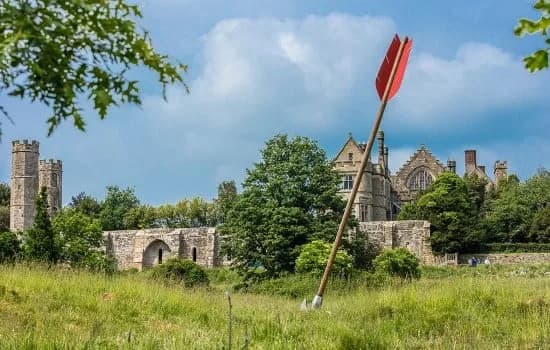
1066 Battle of Hastings, Abbey and Battlefield (Battle Abbey)
Hastings, East & West Sussex
No reviews yet
Hands-on galleries, science shows and history brought to life for curious minds.
Tap a pin to open a place, hit expand for the full-screen map, or jump straight to what’s closest to you.
We sort by distance and don’t store your location. Or enter a postcode →
Loading the map…
606 places — showing the first 60
605 of 606 of these have a map location so far.
Hastings, East & West Sussex


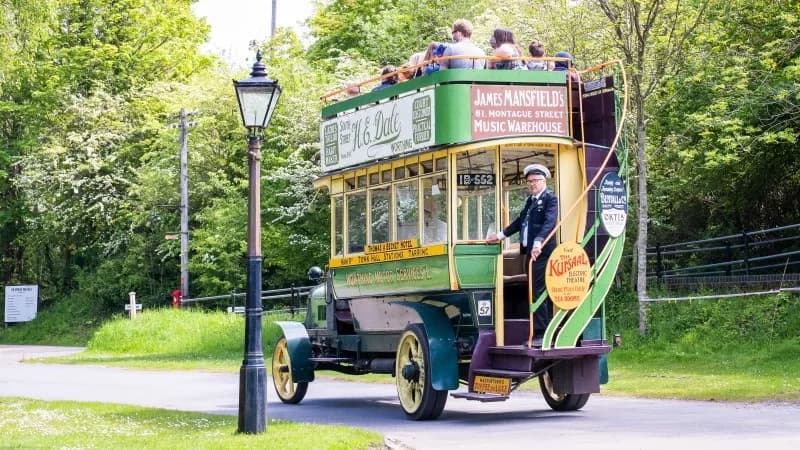
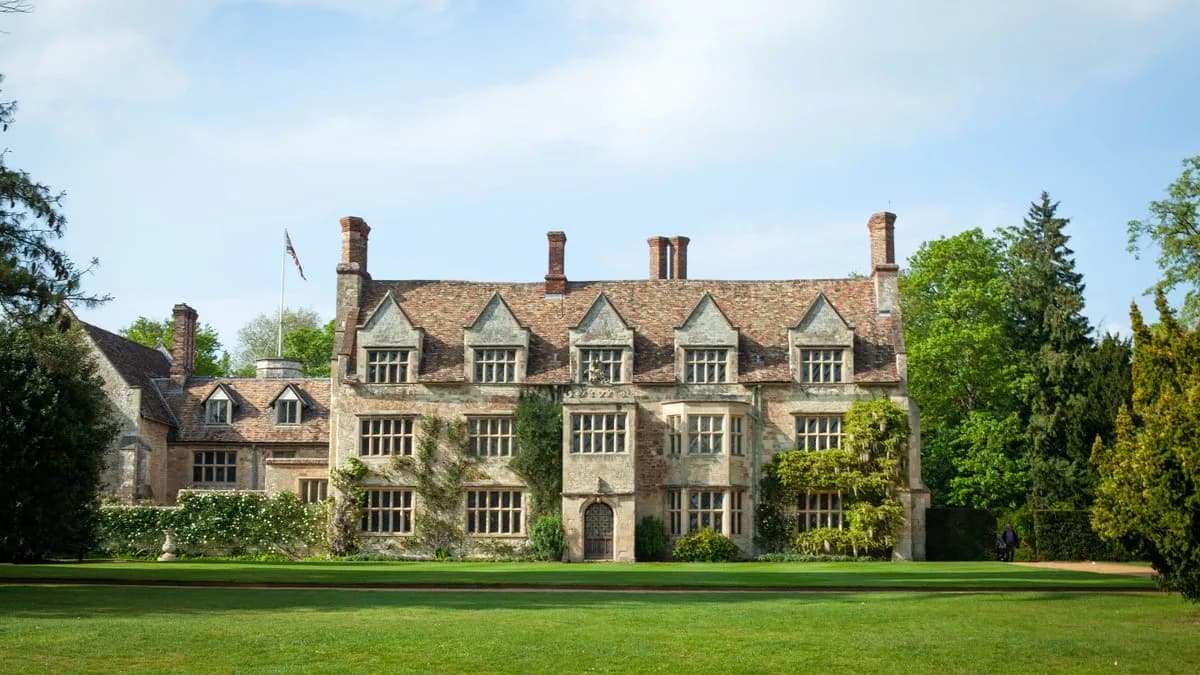
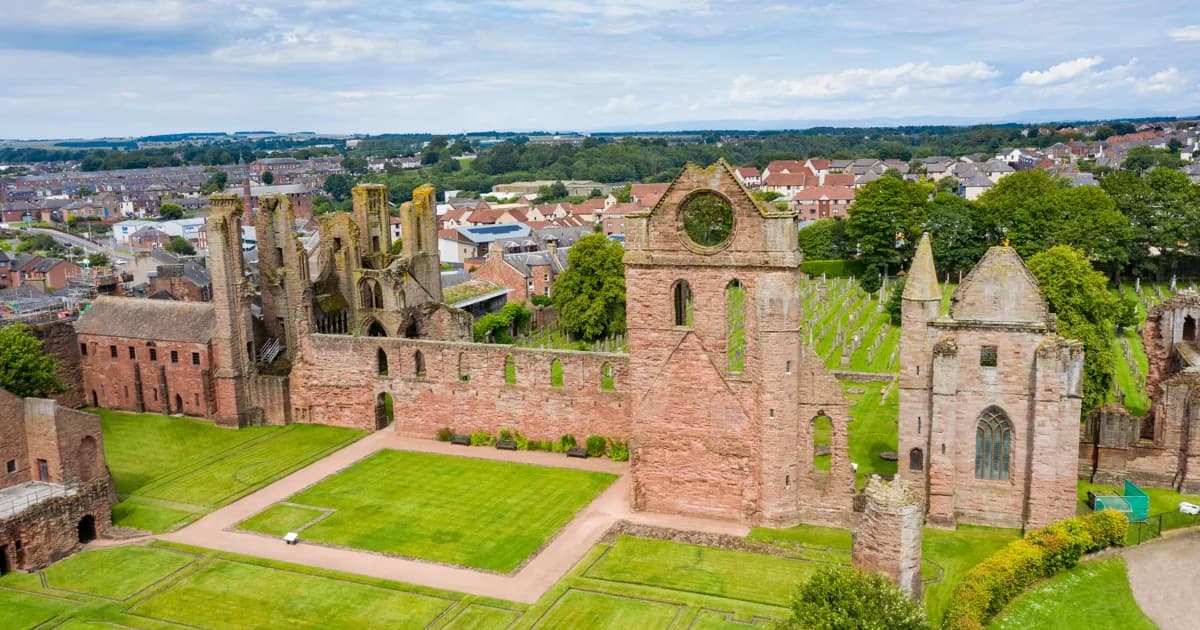


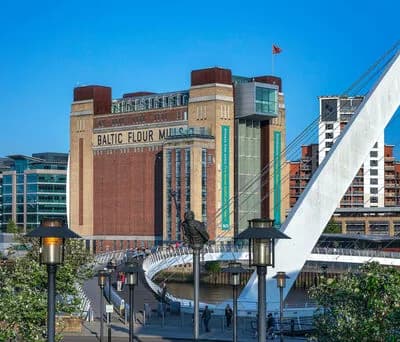
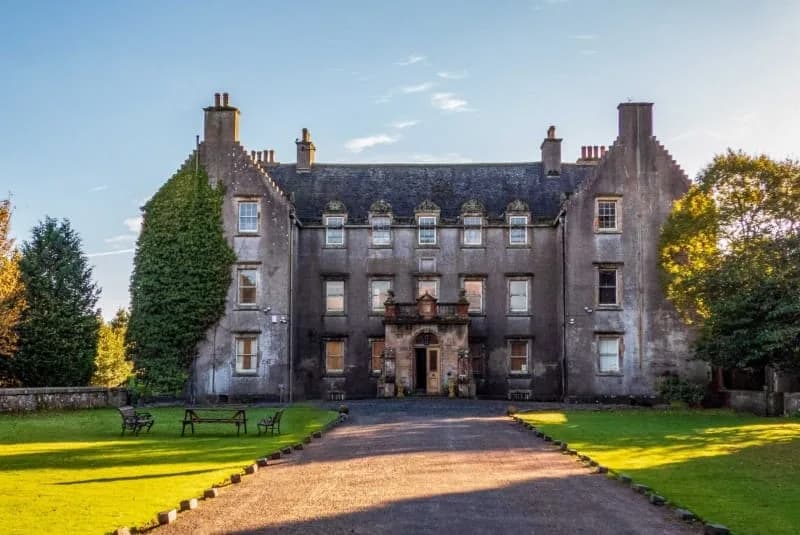





Birmingham, Birmingham & Black Country

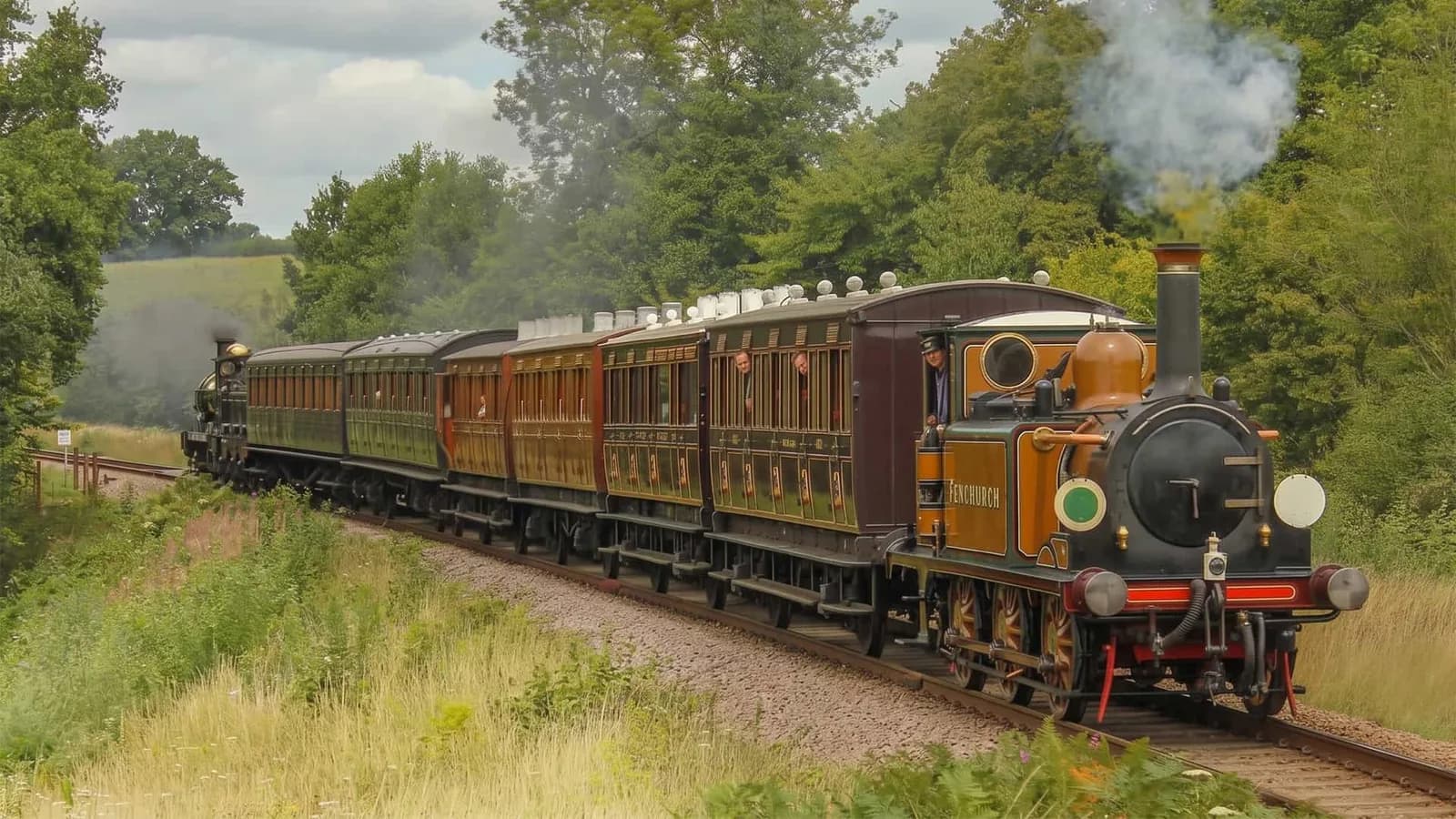
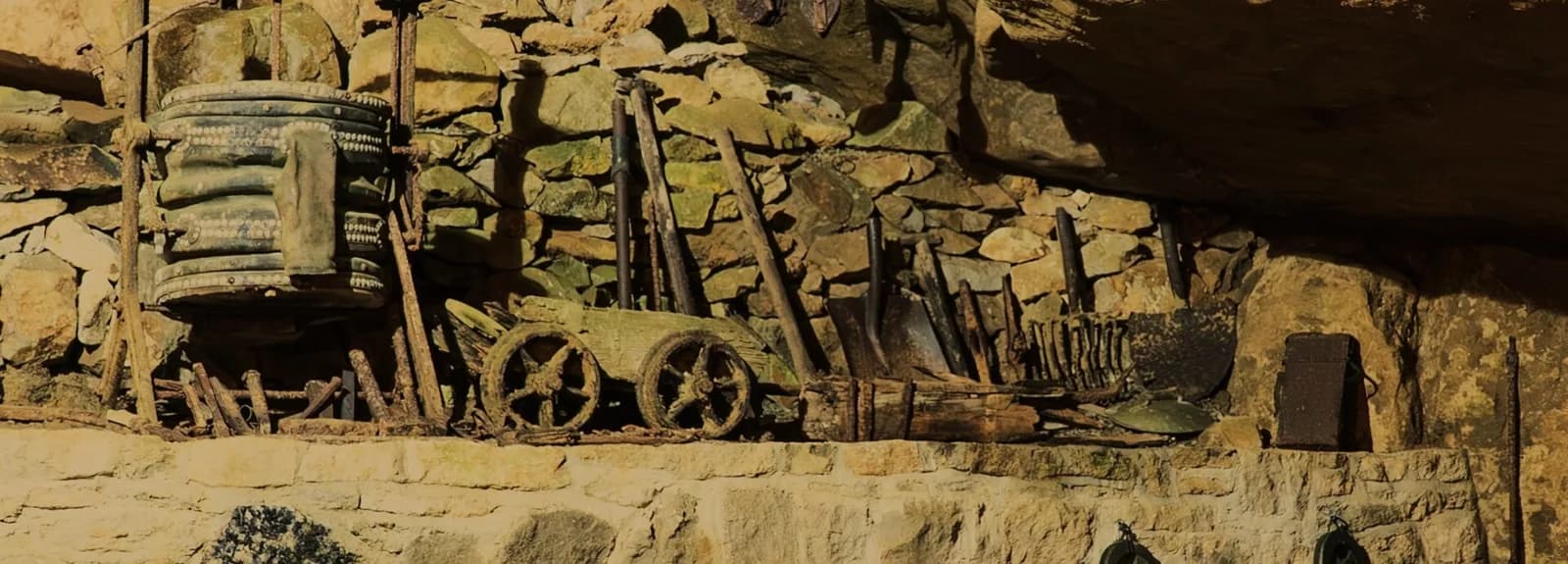
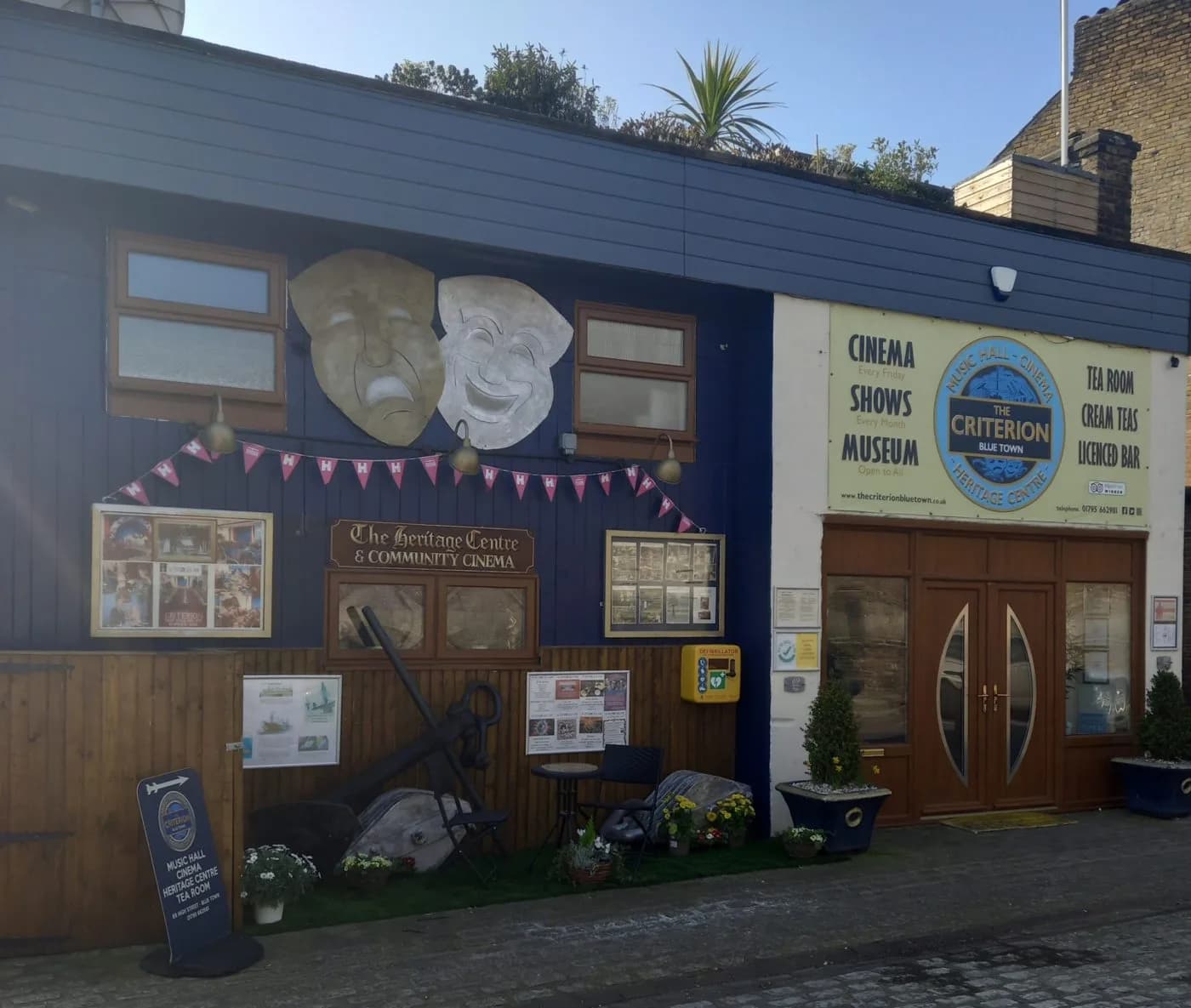
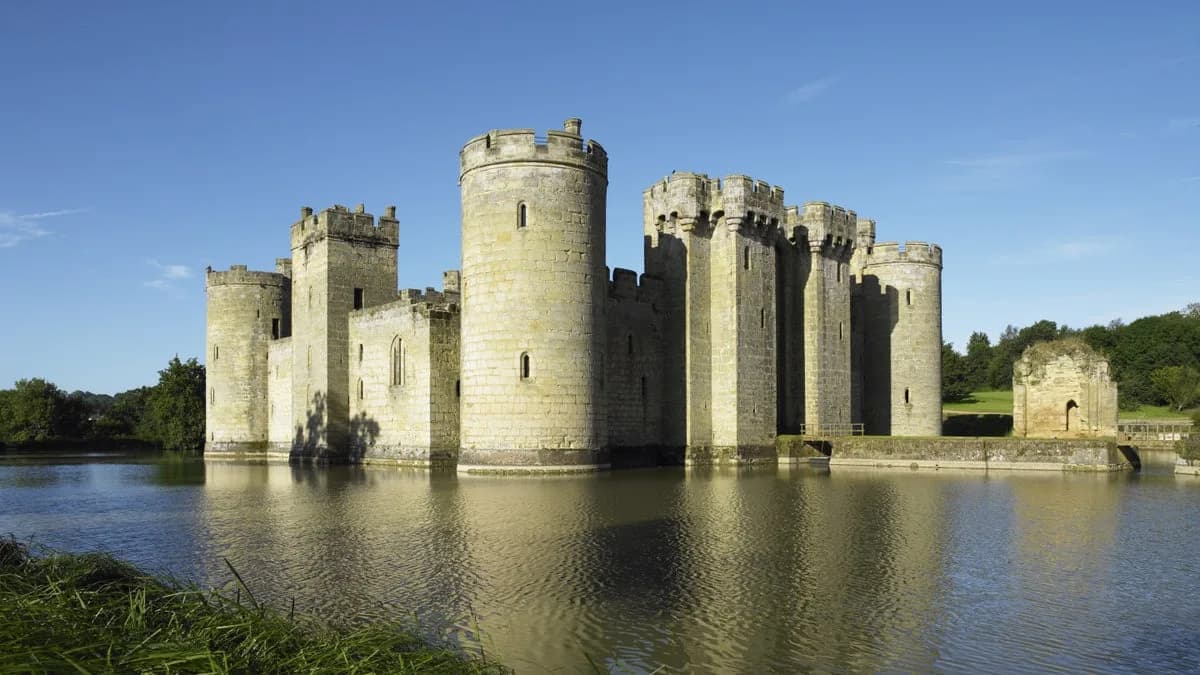
291 towns across 69 counties.
A practical guide to the 597 museums and science centres in this guide — what they suit at each age, how long a visit really runs, and when a museum is the wrong plan for the day.
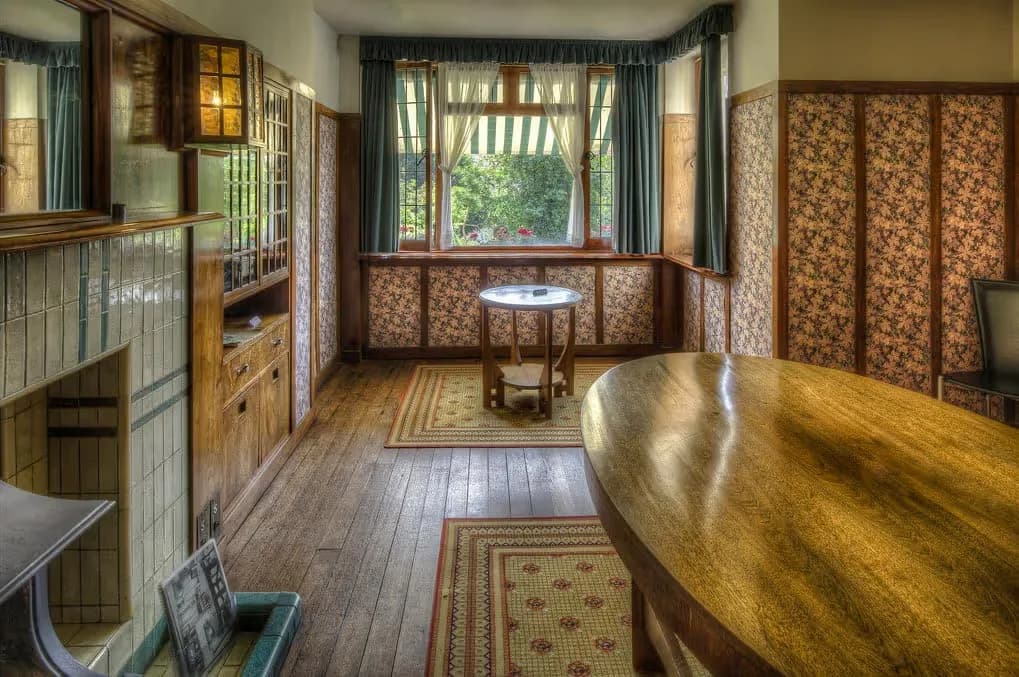
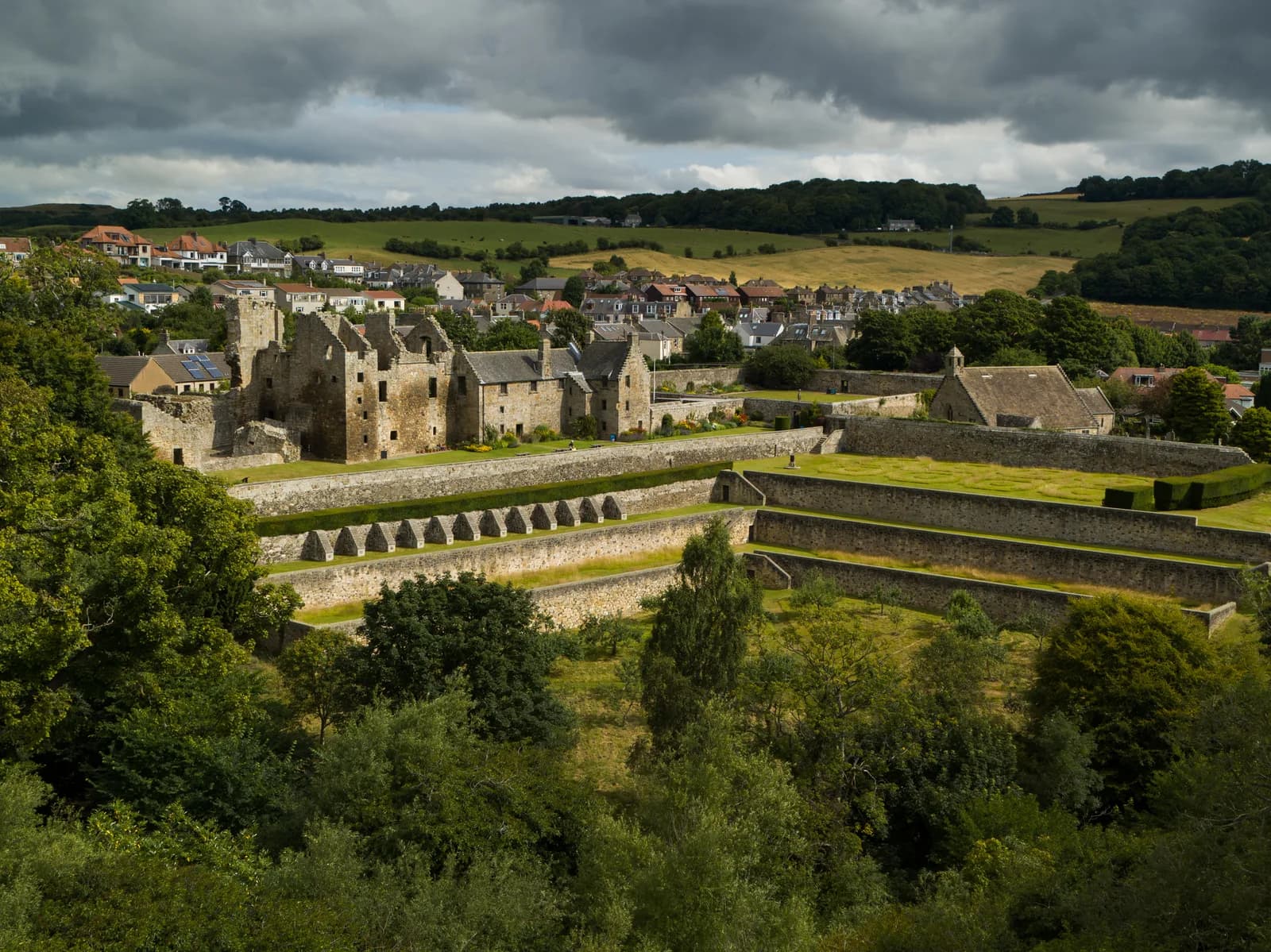
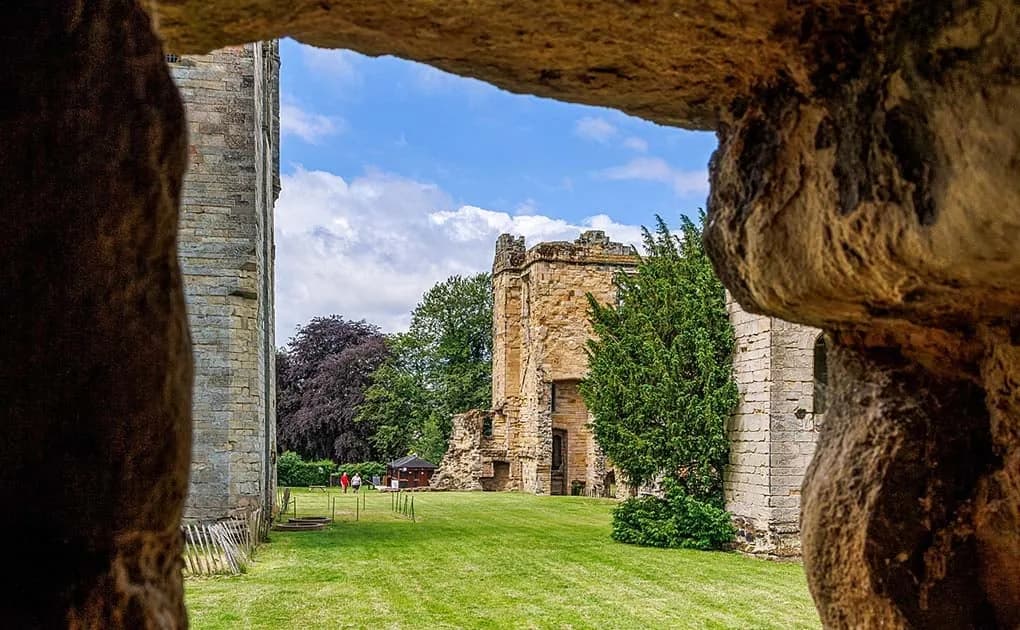
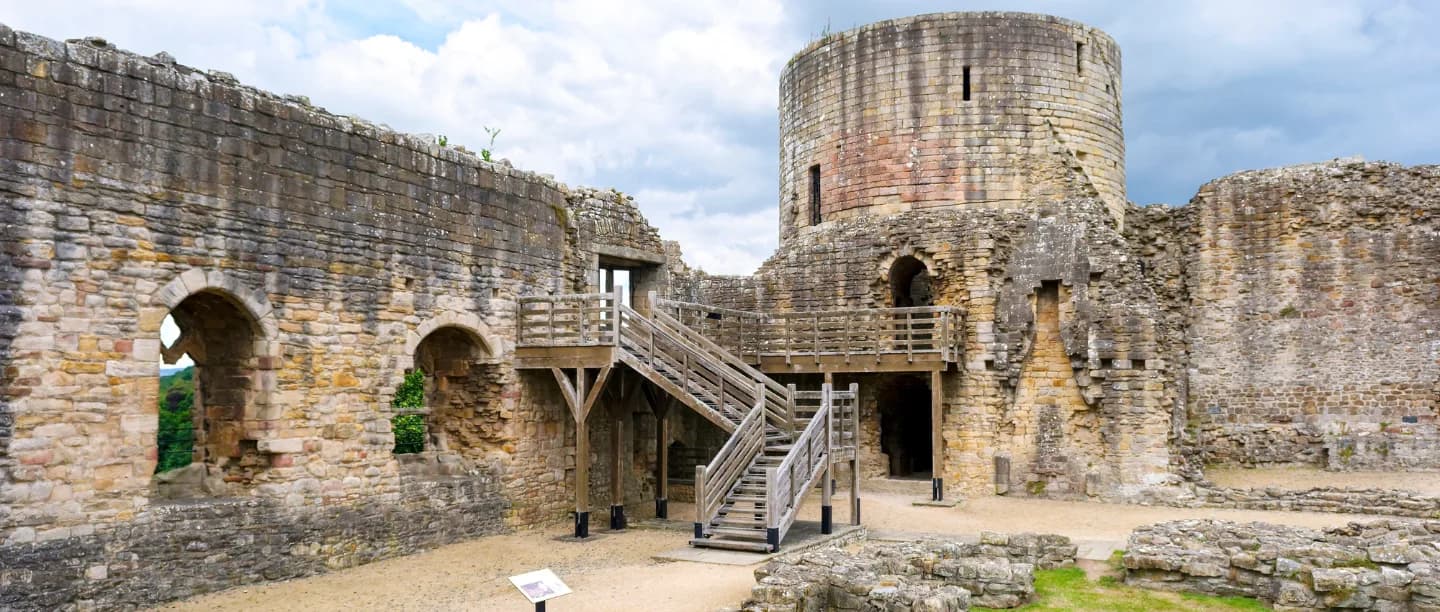
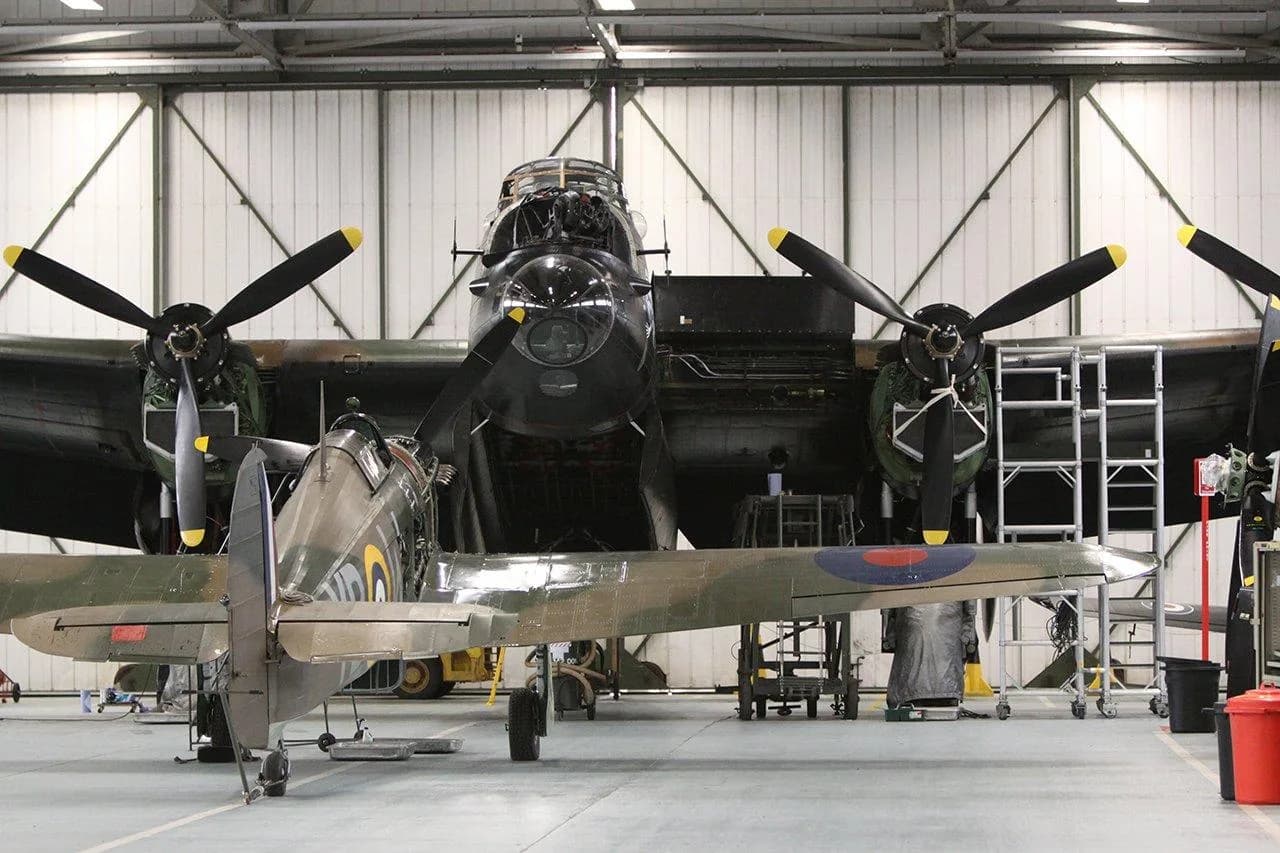
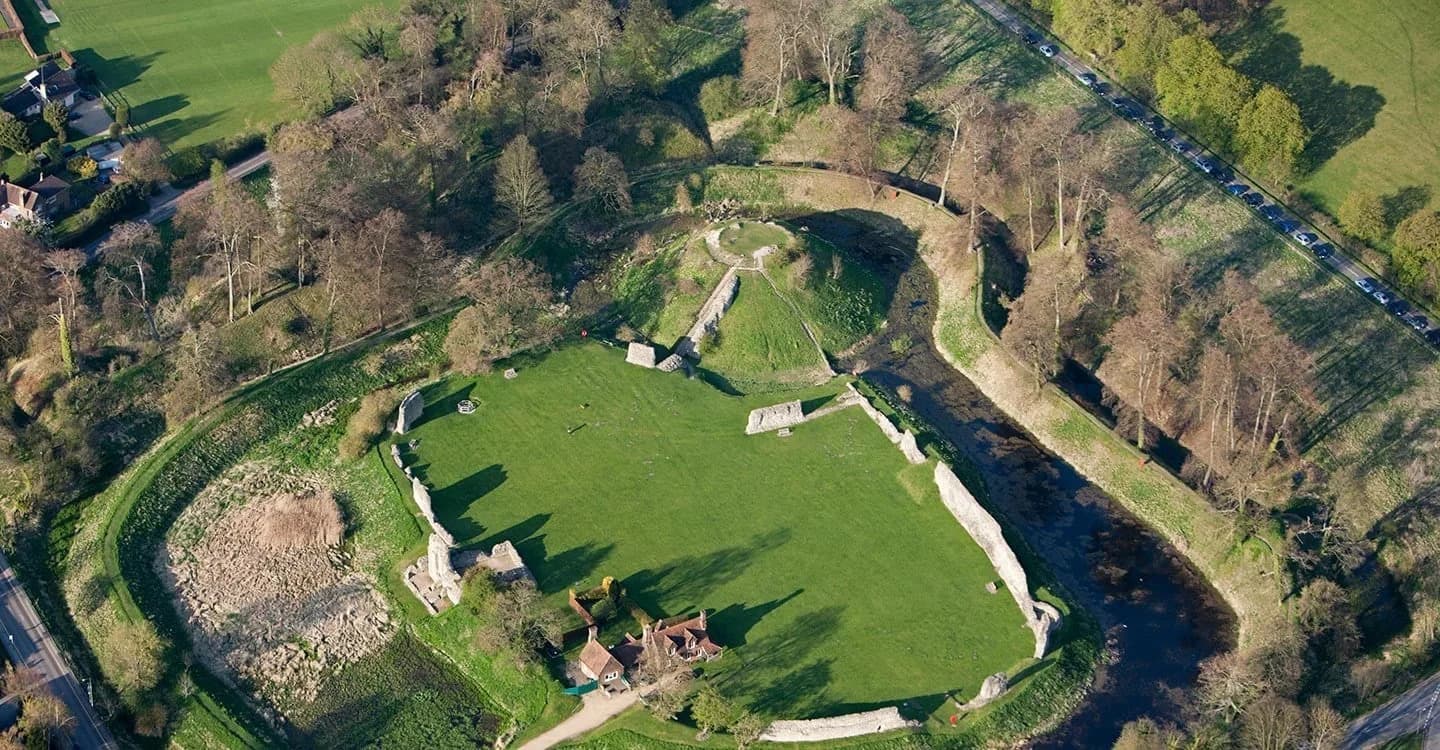
"Museum" covers an enormous range in this guide — 597 places, from a hands-on science centre like Aberdeen Science Centre to a hangar of aircraft at Aerospace Bristol, from a battlefield and ruined abbey at 1066 Battle of Hastings to a single restored townhouse like 78 Derngate in Northampton. What they share is that somebody has arranged objects and stories for the public, and that a child's experience of them depends almost entirely on how much they are allowed to touch.
Age changes the day completely. Toddlers get the building: ramps, lifts, big echoing rooms, one dinosaur or one steam engine they will talk about for a week. They will not read a caption and there is no point pretending otherwise. Somewhere around five to eight, the interactive galleries start paying off — pull the lever, see the thing happen. From eight to twelve, a child can follow a narrative across a whole gallery and will ask questions you cannot answer. Teenagers do best where the subject is genuinely theirs: aviation, forensics, local industrial history, a house where somebody famous lived.
The catalogue reflects that spread rather than favouring one end. 65% of these venues are marked as suiting eight to twelve-year-olds, the strongest single band, with teens at 59% and preschoolers at 60%. Even babies come out at 54%, which is less about the baby and more about whether a parent carrying one can get round the place.
The money is the good news. A third of these venues — 201 of 597, or 34% — are free. Another 46% sit in the moderate band and 7% in the cheap band, which leaves premium pricing as the exception at 7%. A great many national and civic museums cost nothing to walk into, and the actual spend on the day is parking, lunch and the gift shop.
On time: where a typical visit length is recorded, and it is recorded for 170 of the 597, the median is two hours. That is a useful planning figure. Two hours is one gallery floor done properly, or two done at a child's pace, plus a sit-down. It is not a full day, and building a whole Saturday around one small museum tends to end in a bored child by half past two.
Facilities, as confirmed by somebody actually checking:
Where a facility is not confirmed, it means nobody has verified it, not that it is missing. Ring ahead if it matters.
A museum is an indoor plan: 48% of these are indoor only, 40% offer both indoors and out, and 11% are essentially outdoor sites. That makes the category a good wet-weather default, but a poor choice on the first warm Saturday in months, when a child who has been in school all week needs to run.
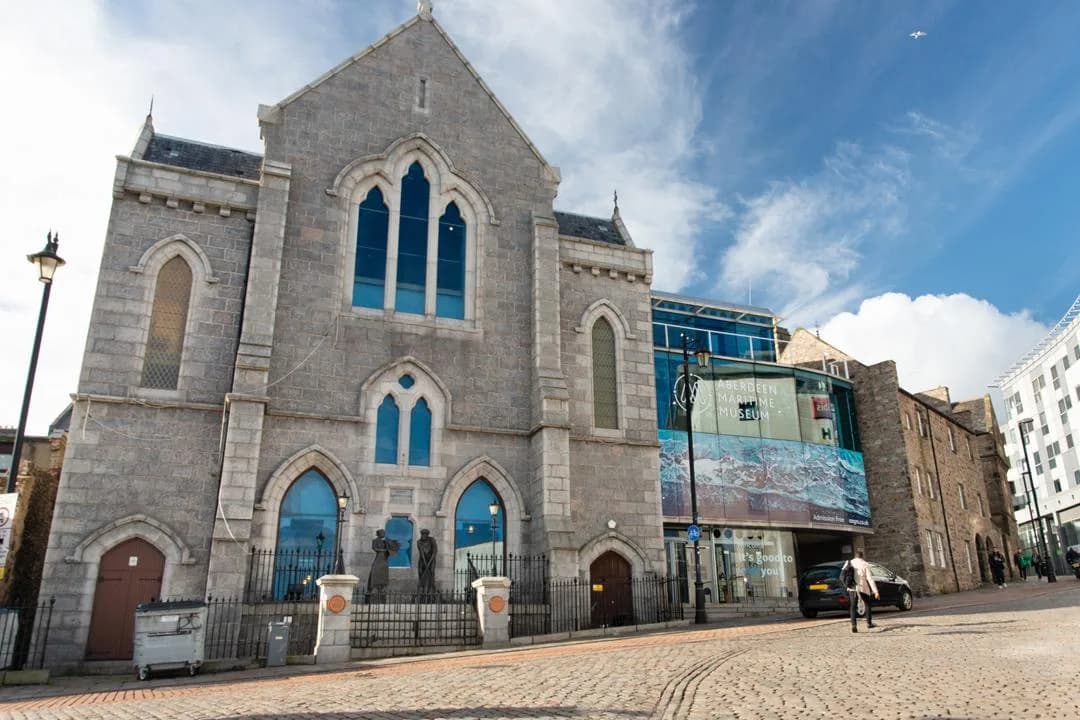
It is also the wrong plan for a child who is tired, hungry or under about two and a half and not yet walking confidently — the ratio of looking to doing is simply too high. If you have two children four or more years apart, a small single-subject museum like Aberdeen Maritime Museum will land well with one and not the other; a larger science centre absorbs the gap better.
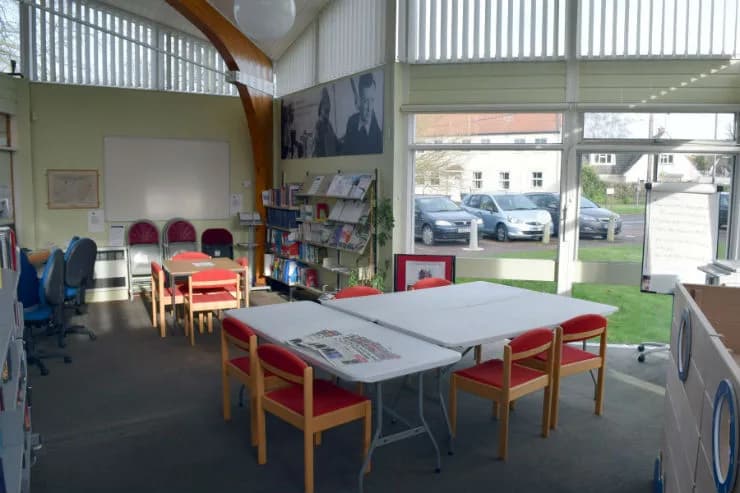
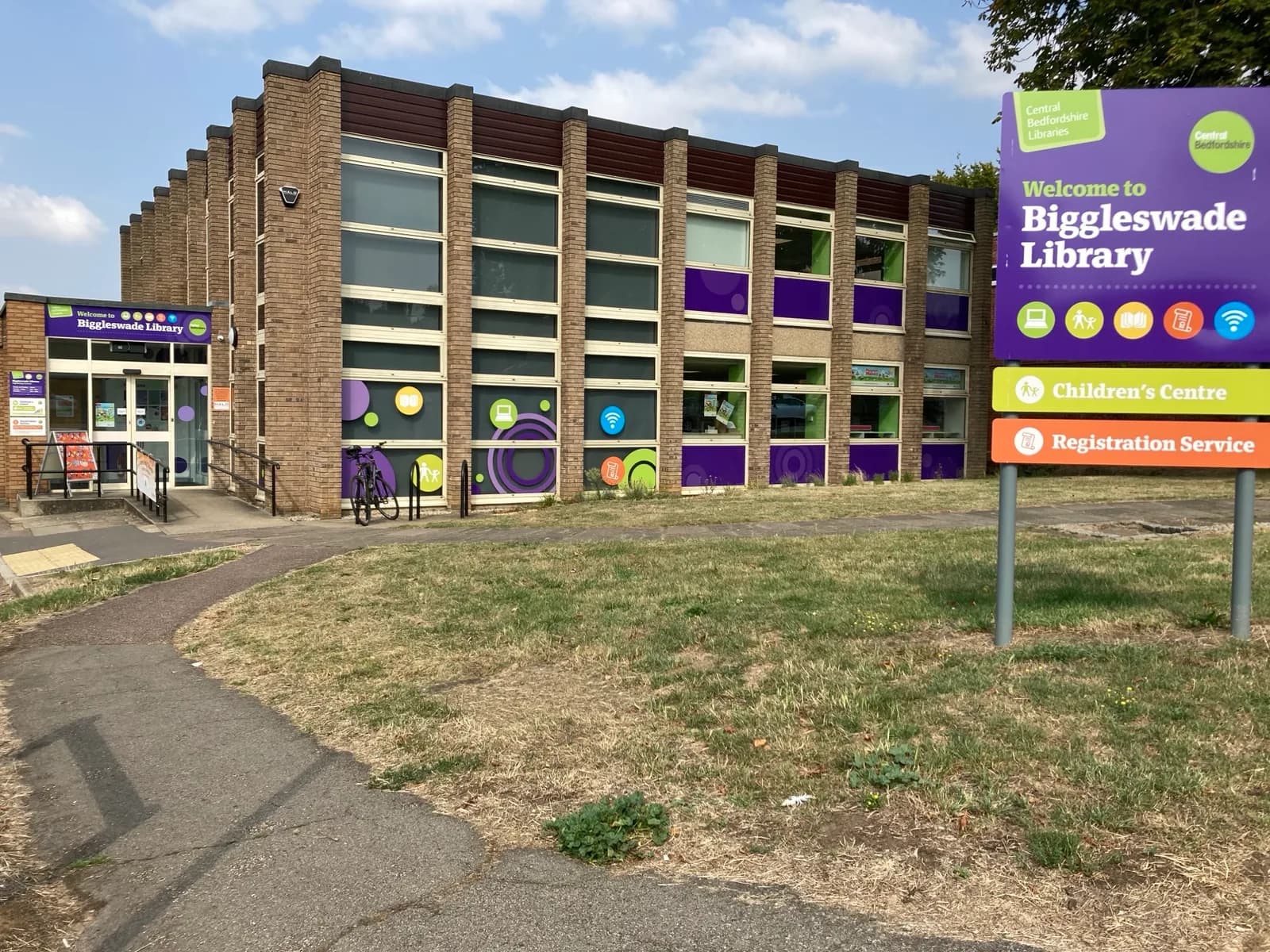
And some entries in this guide are modest by design. Aldeburgh Library is here because it does things for children, not because it is a day out. Read the size of the place before you drive an hour to it.