
In & out££
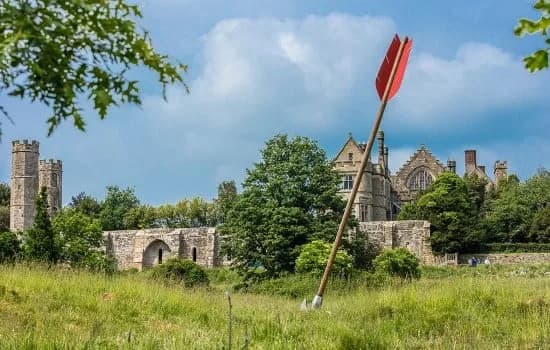
1066 Battle of Hastings, Abbey and Battlefield (Battle Abbey)
Hastings, East & West Sussex
No reviews yet
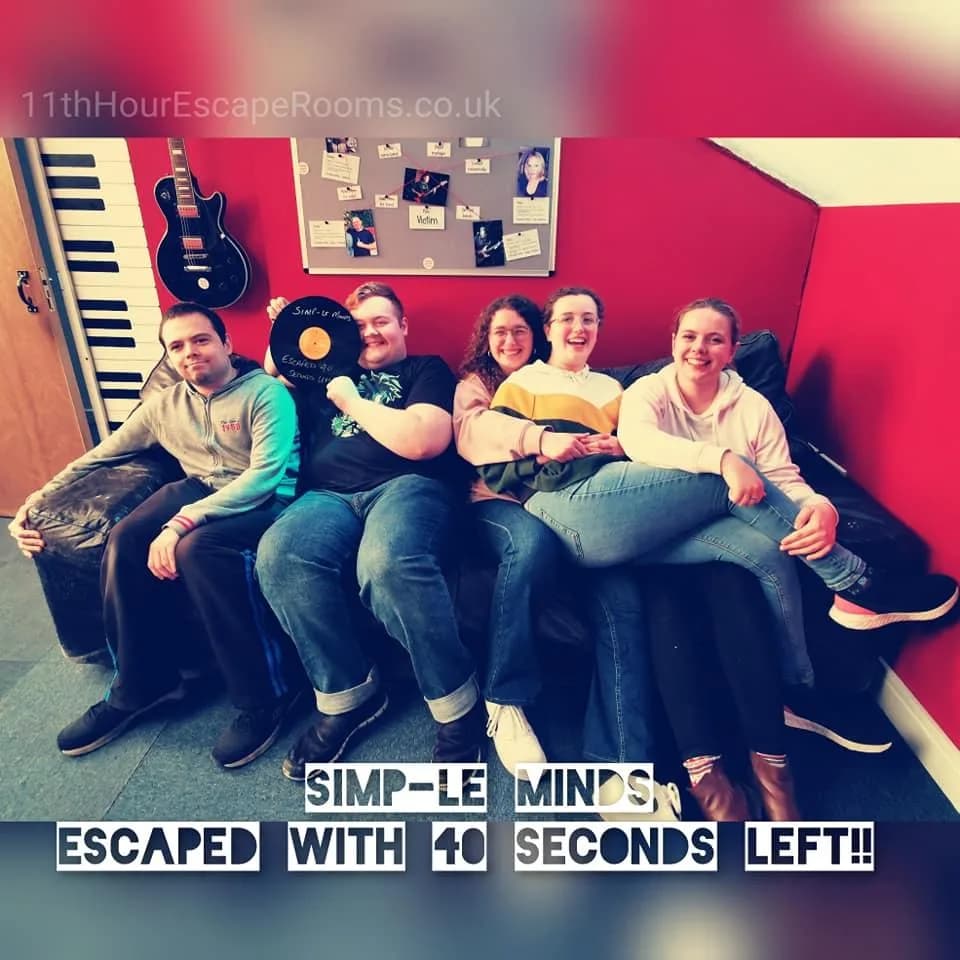
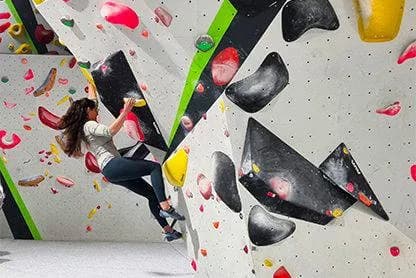
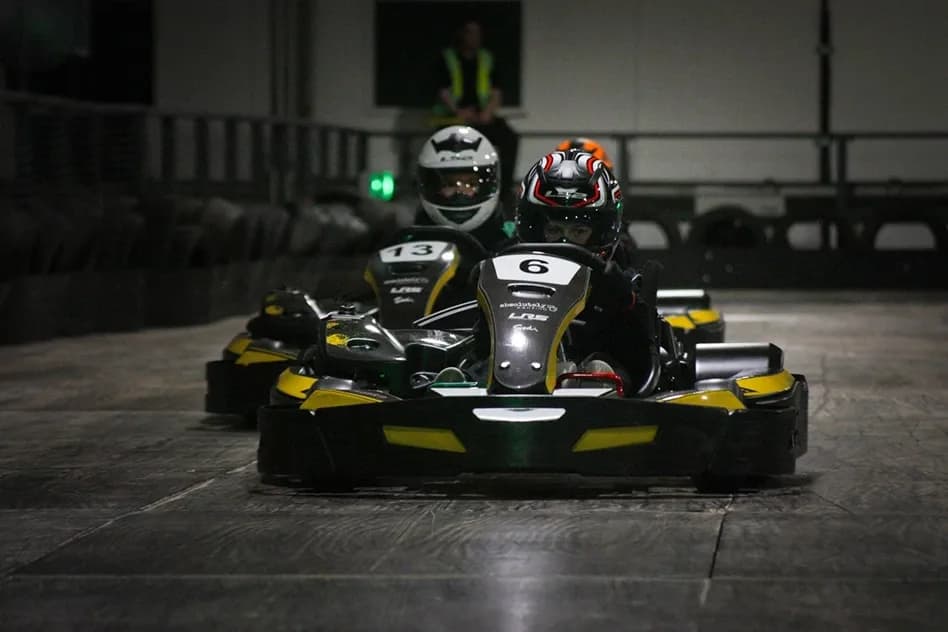
Independence is the thing at this age: they want to do it themselves and they want it to be slightly difficult. High ropes, karting, climbing walls, trampoline parks and escape rooms all pitch about right. Many venues run this as their main age bracket, so you'll find the widest choice — and the fullest car parks in half term.
2,914 places — showing the first 60
2,911 of 2,914 of these have a map location so far.
Hastings, East & West Sussex




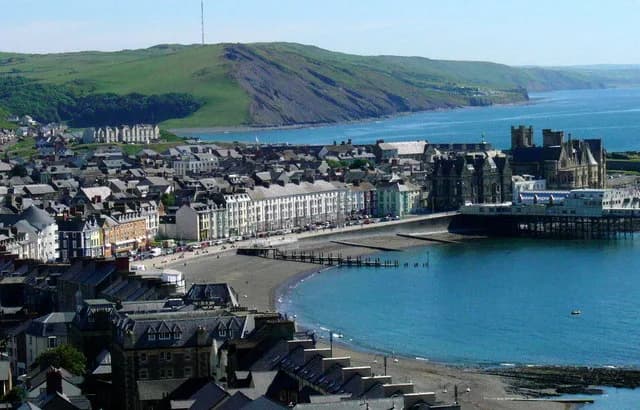
Machynlleth, Mid Wales


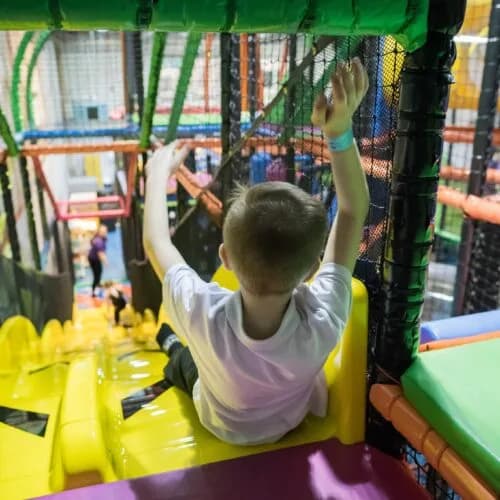
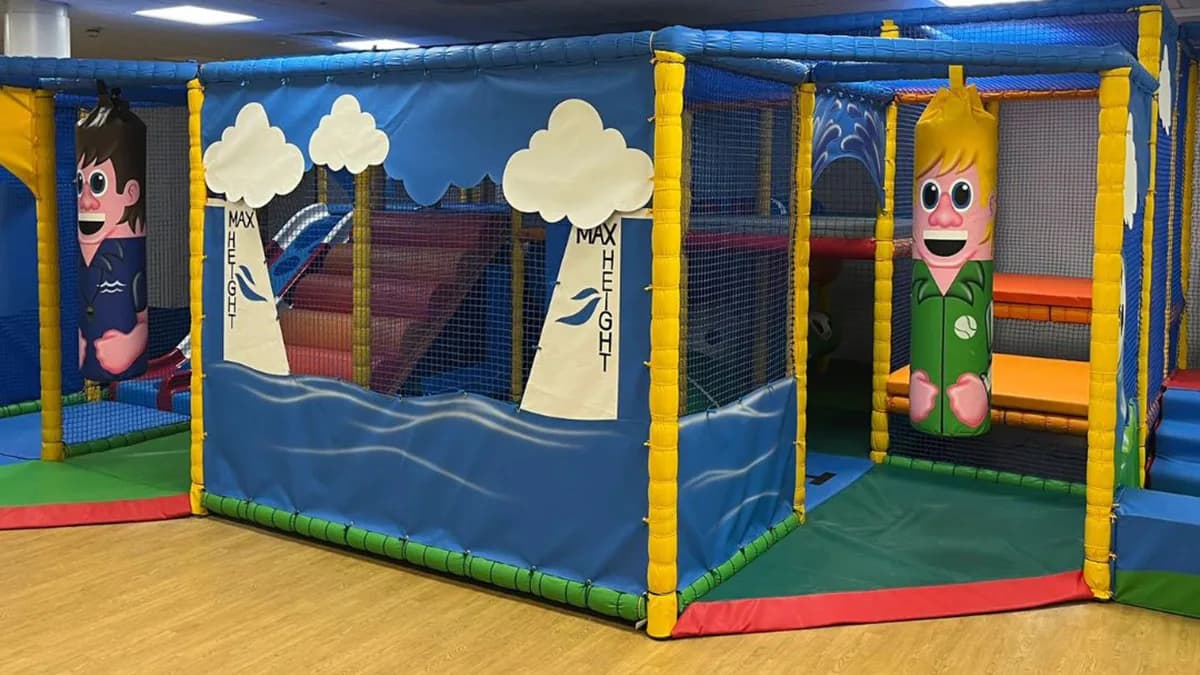


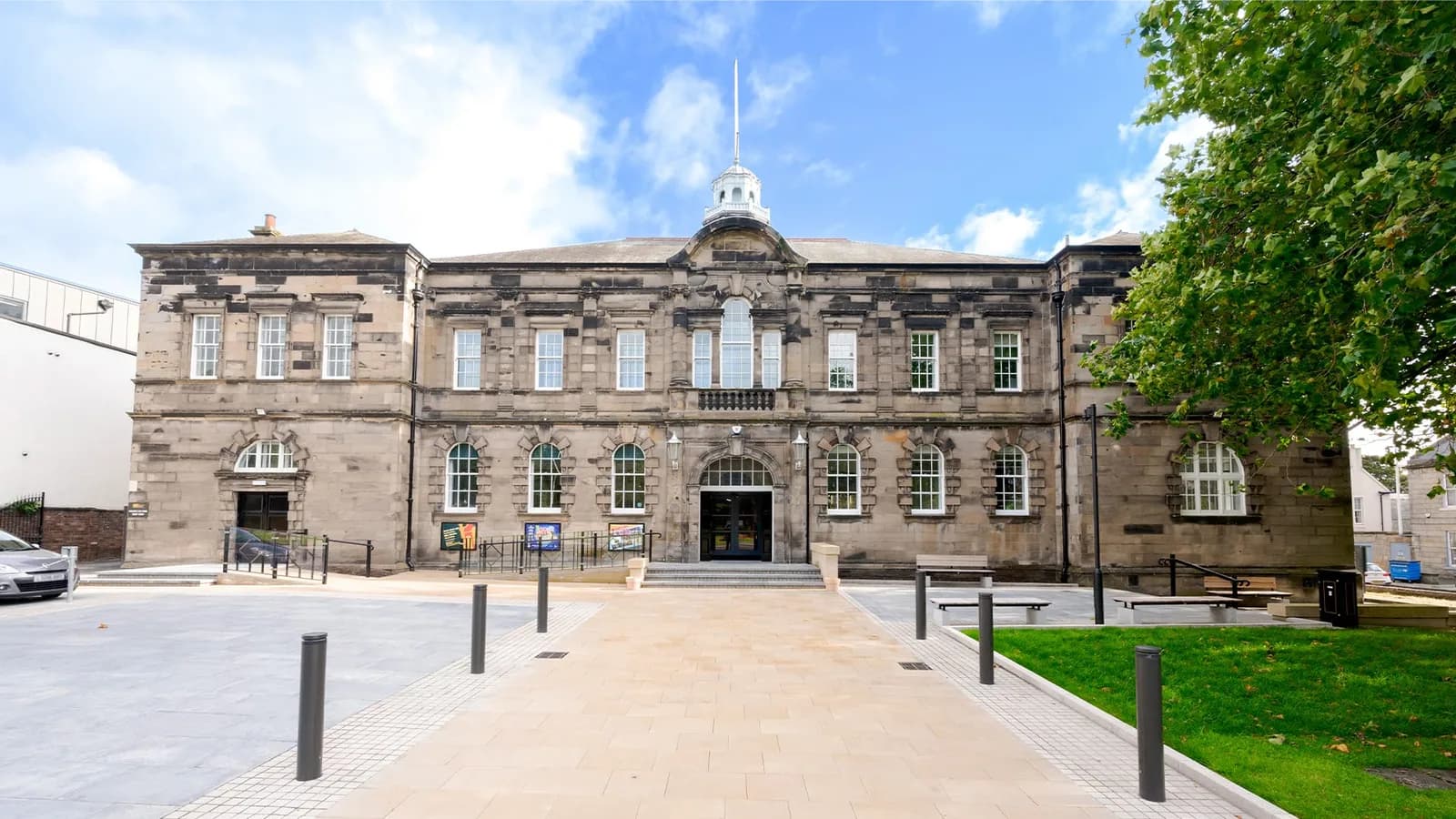


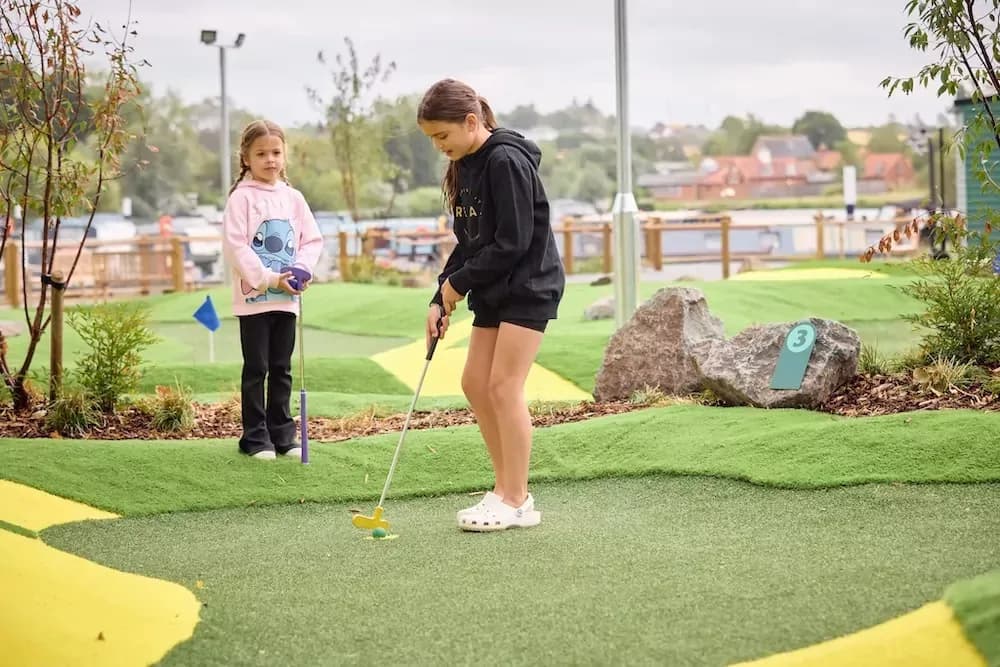
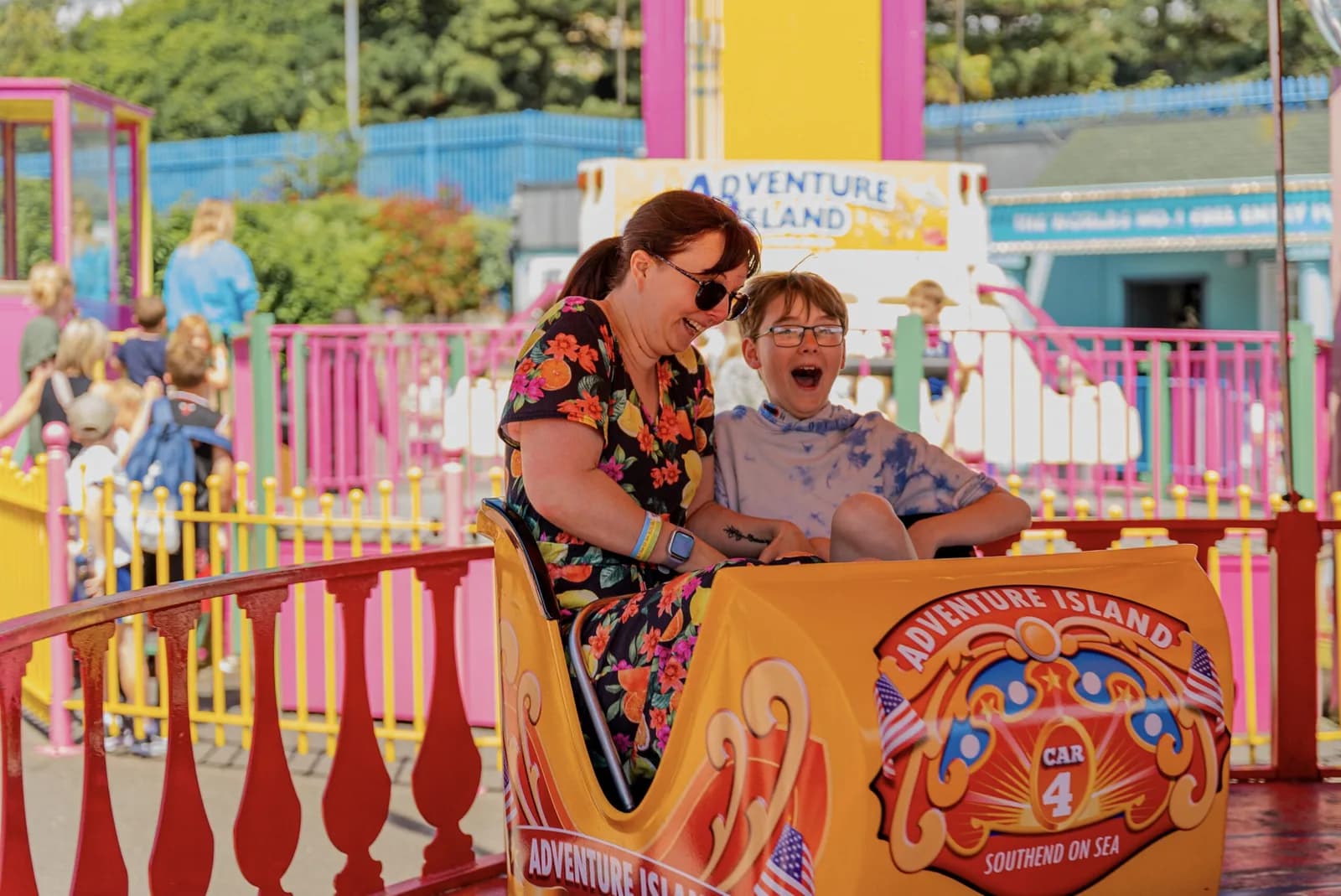
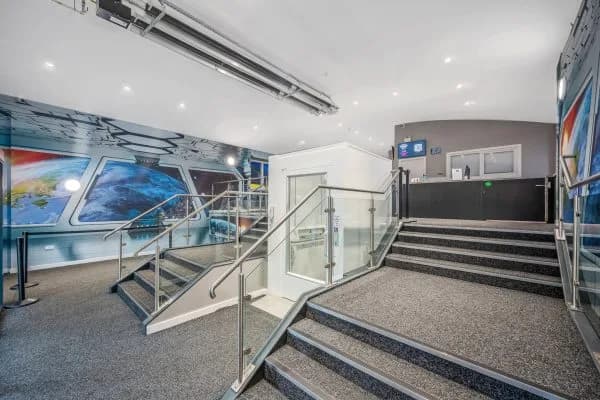
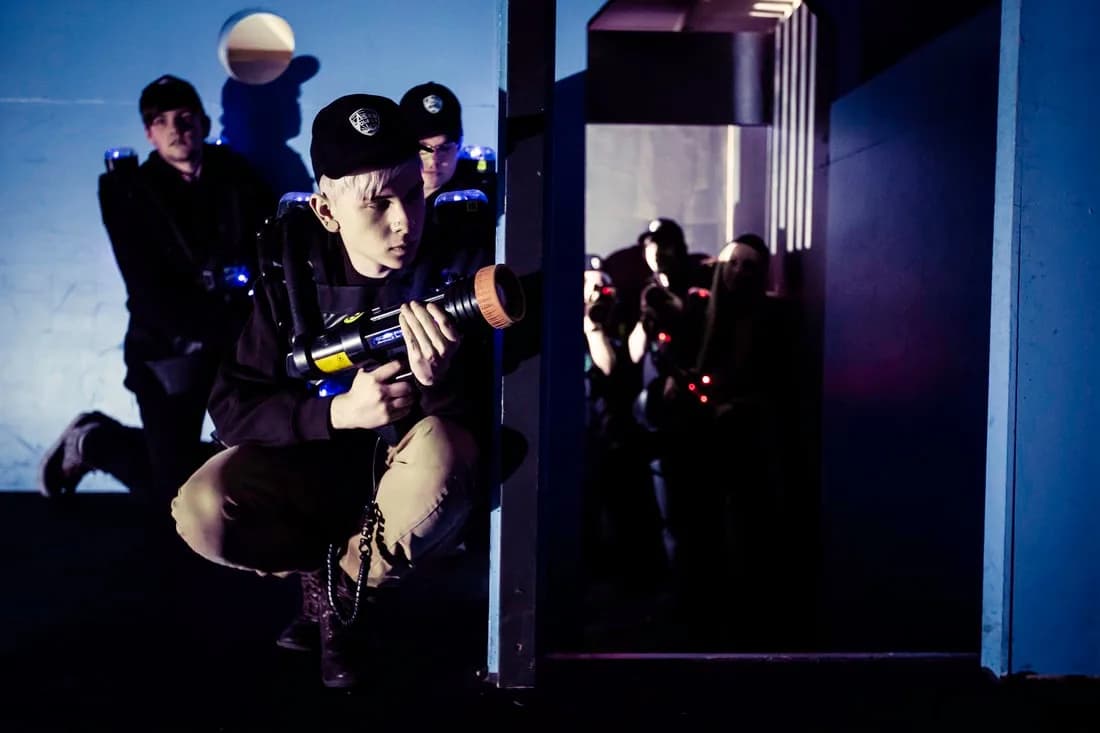
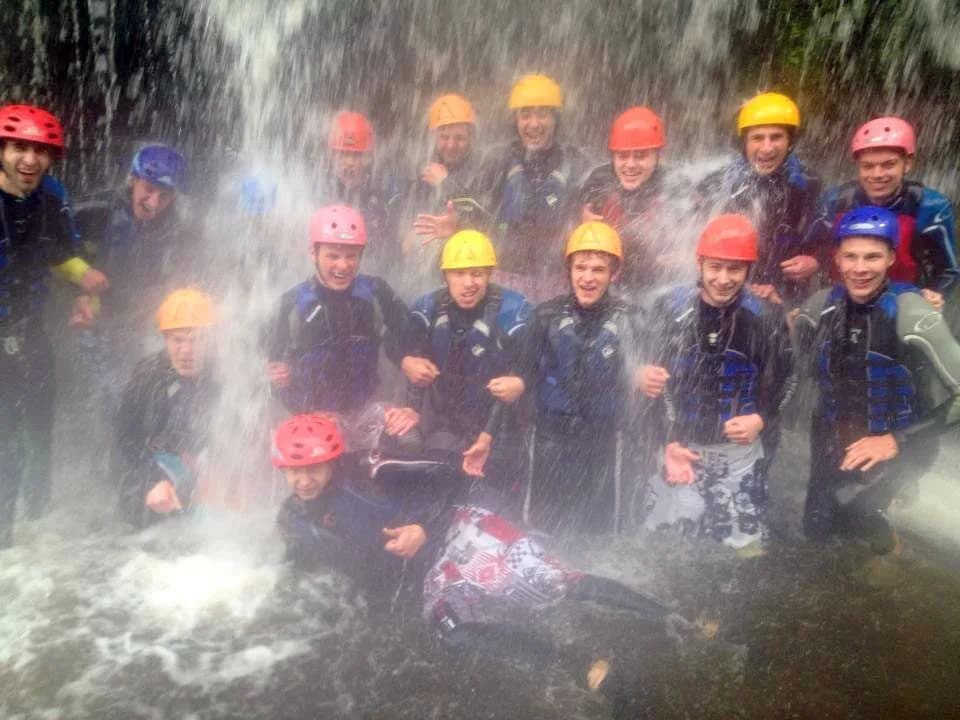

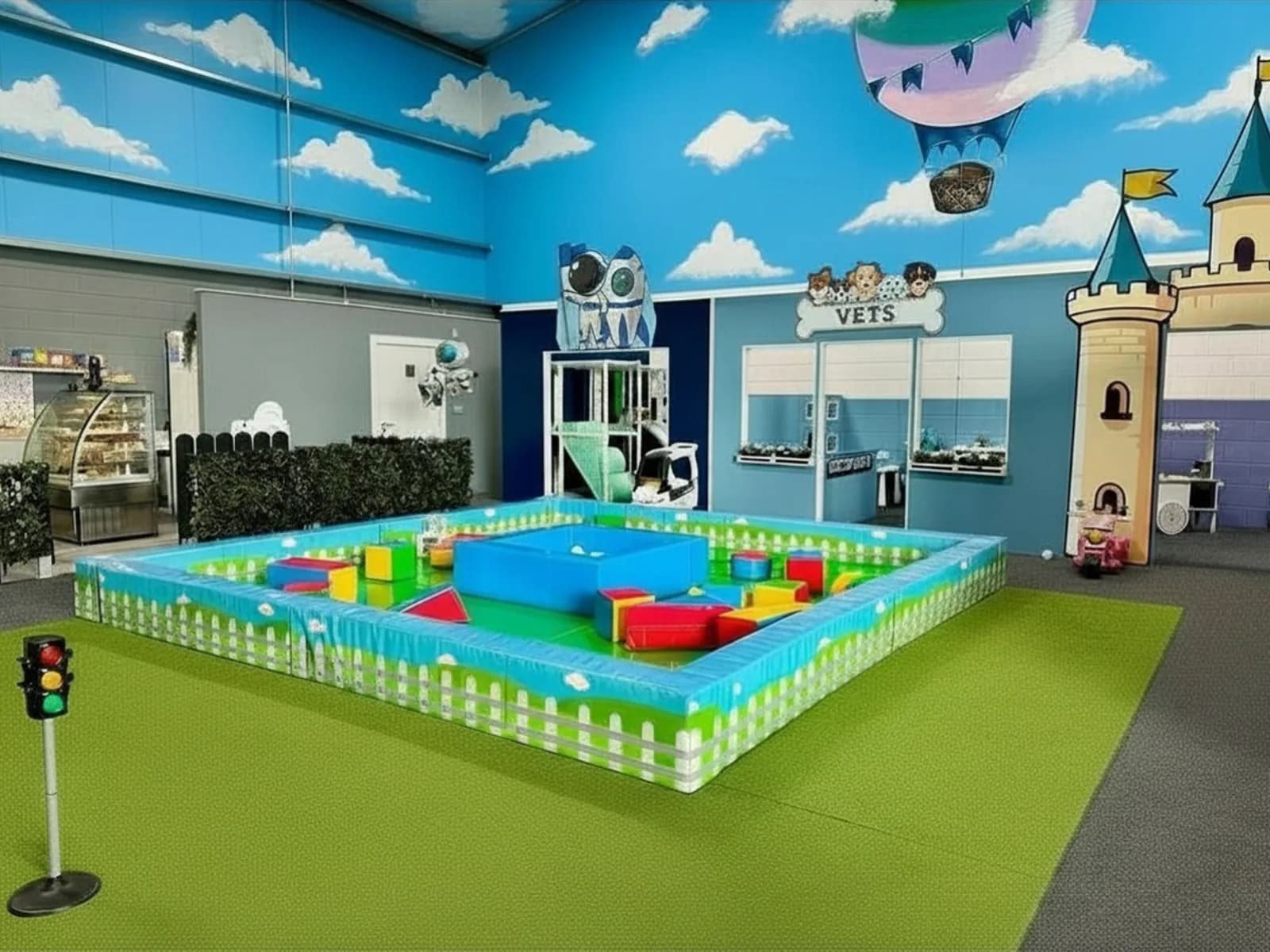

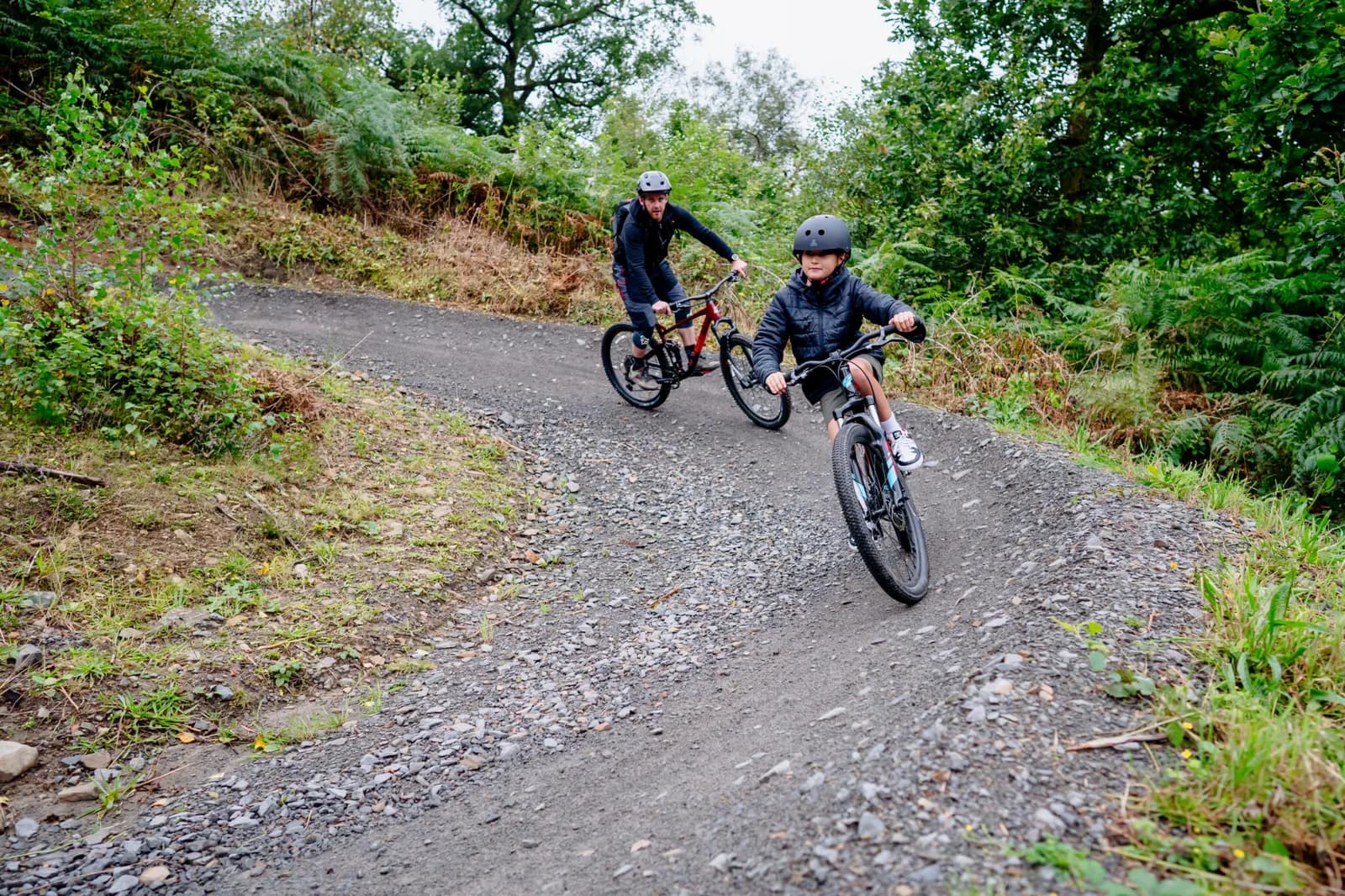

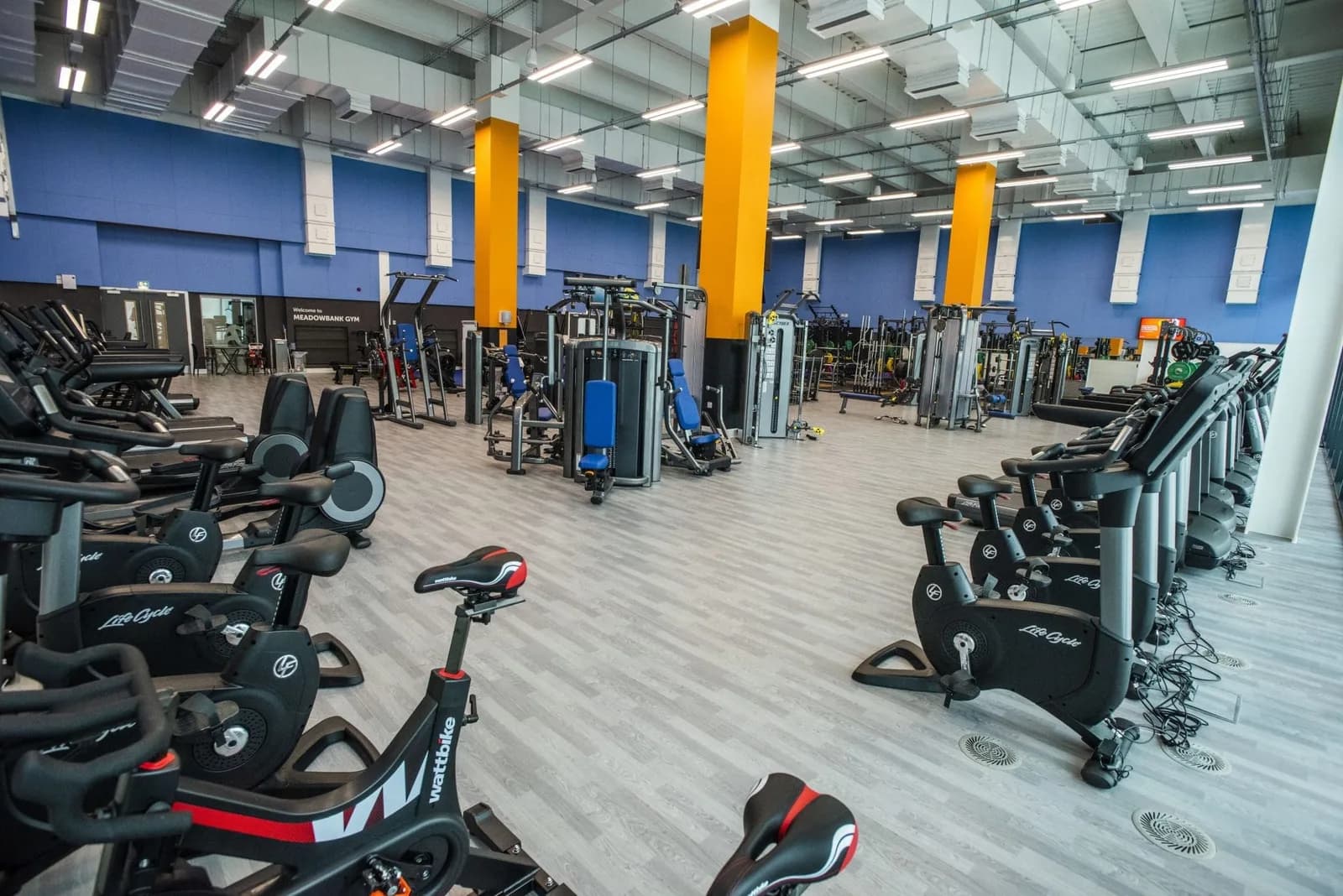
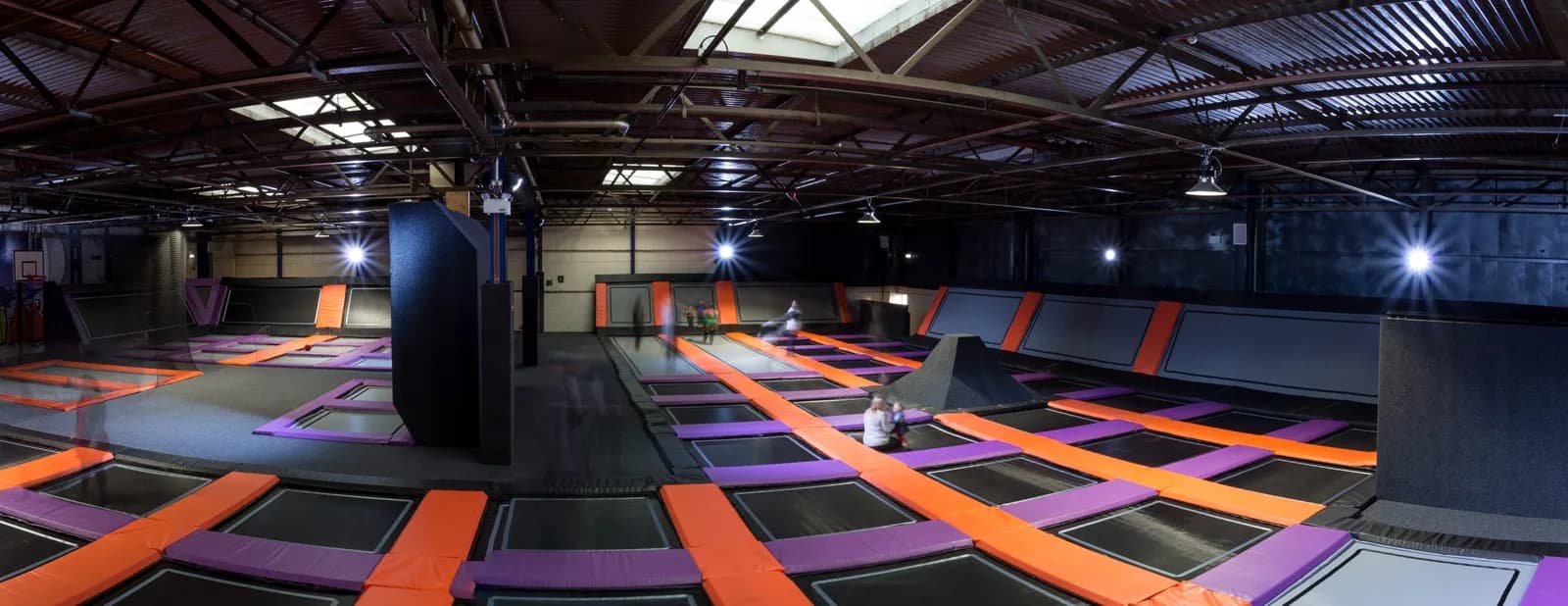
A guide to planning days out for children between eight and twelve — the age that has outgrown the ball pit but still wants somewhere to be taken.
Somewhere around eight, the calculation shifts. A toddler will get a good morning out of a slope, a bucket and your undivided attention; you are the day out, and the venue is scenery. An eight-to-twelve-year-old wants something to do, ideally something with a bit of risk in it, and increasingly wants to do it slightly away from you. They can read a museum label and be interested by it. They can get to the top of the high ropes without needing lifting. They can also be crushingly bored by anything that announces itself as being for little ones, and they will say so.
This is also the widest, easiest age band to plan for, which is worth knowing before you agonise. Of the 2,147 places in this guide that suit eight to twelve, 84% also suit five to eights and 82% carry on working for teenagers up to sixteen. That overlap is the practical point: if you have a six-year-old and an eleven-year-old in the same car, the odds are good that one destination covers both. Even babies are catered for at 71% of them, which matters more than it sounds if there is a younger sibling in a sling.
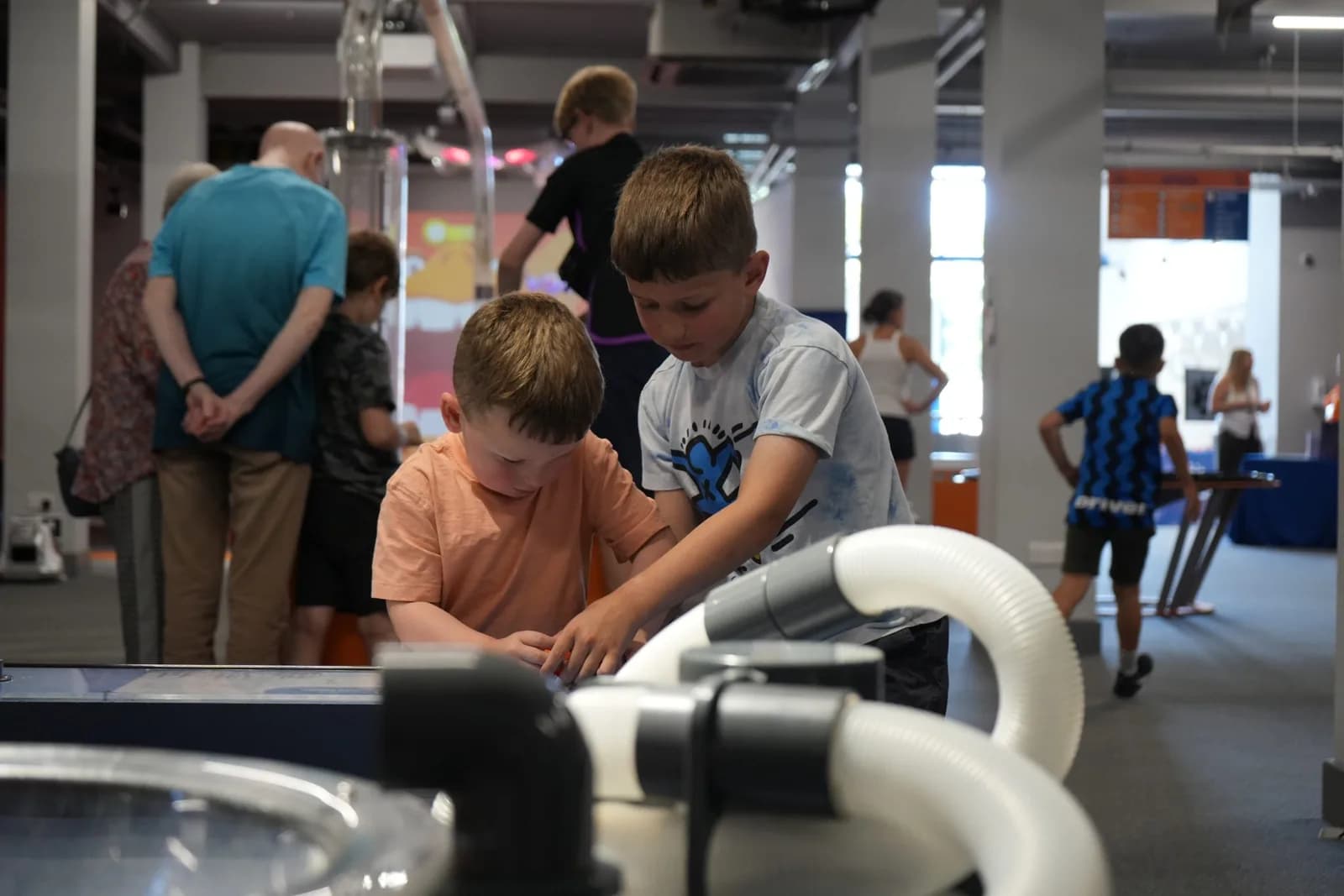
The shape of this age band leans indoors — 46% of these venues are indoor, 32% outdoor, and 22% offer both, which is the category worth hunting for in February. By type, museums and science centres are the single biggest group at 18%, followed by soft play and indoor play at 11%, then country parks, nature reserves and beaches at 10% and animal attractions at 9%. Climbing and high ropes is a smaller slice at 4%, but it punches above its weight with this age: somewhere like 270 Climbing Park in Gloucester gives a ten-year-old the specific pleasure of being visibly better at something than their parent.
On cost, just over half — 52% — sit in the moderate band, and a fifth are free. Cheap accounts for 13% and premium for 9%. In practice that means most weekends can be done without much thought, and the free fifth (parks, beaches, a good number of museums) is the ballast that makes the premium days affordable.
Budget two hours. Where a visit length is recorded — for 695 of these venues — the median is 120 minutes. That is a real constraint on how far you drive. An hour each way for a two-hour visit is a day that ends badly.
Baby changing is confirmed at 53% and buggy-friendly access at 23%, which tells you something about how these places see themselves: geared to older children, and less consistently set up for the pushchair you may still be pushing.
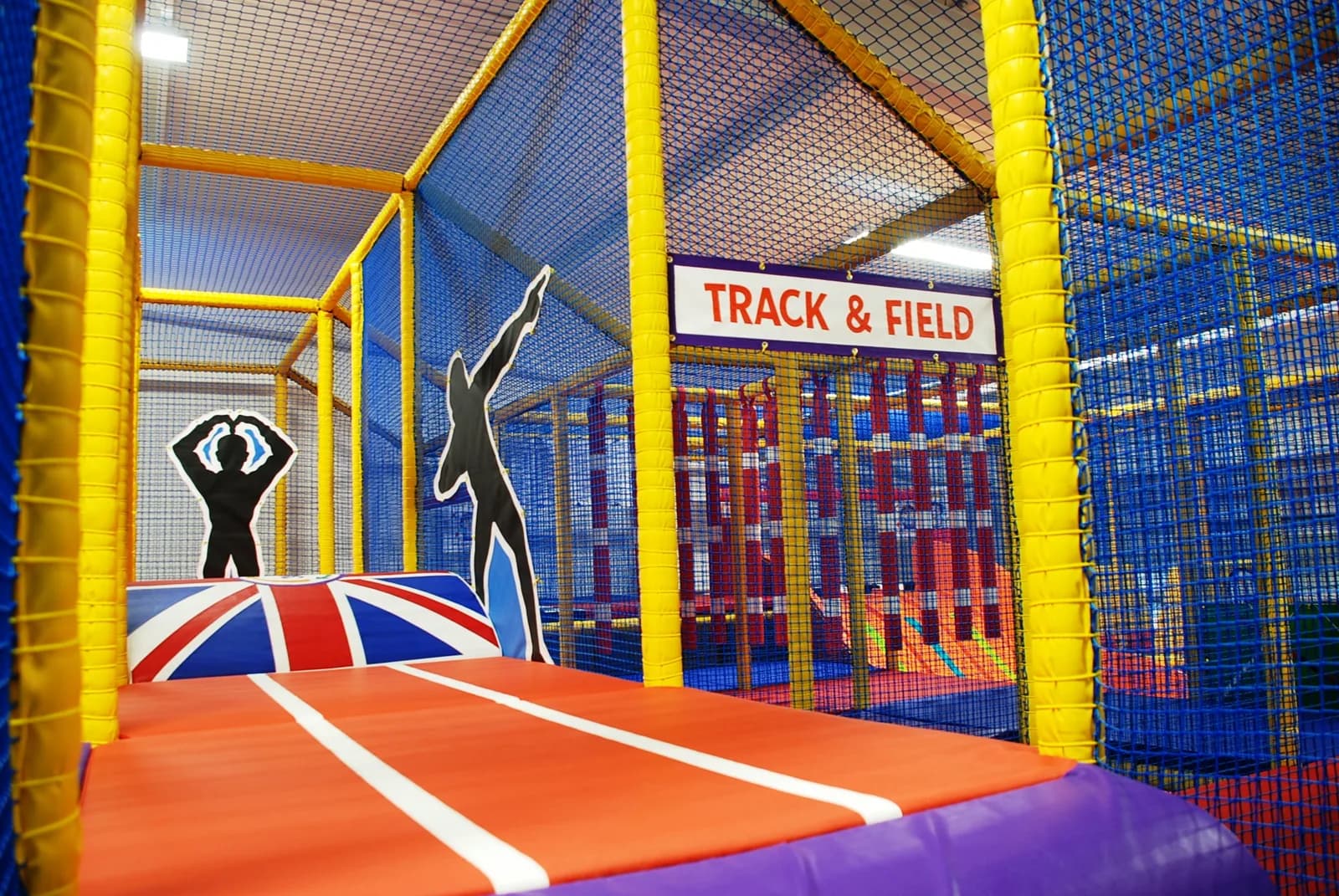
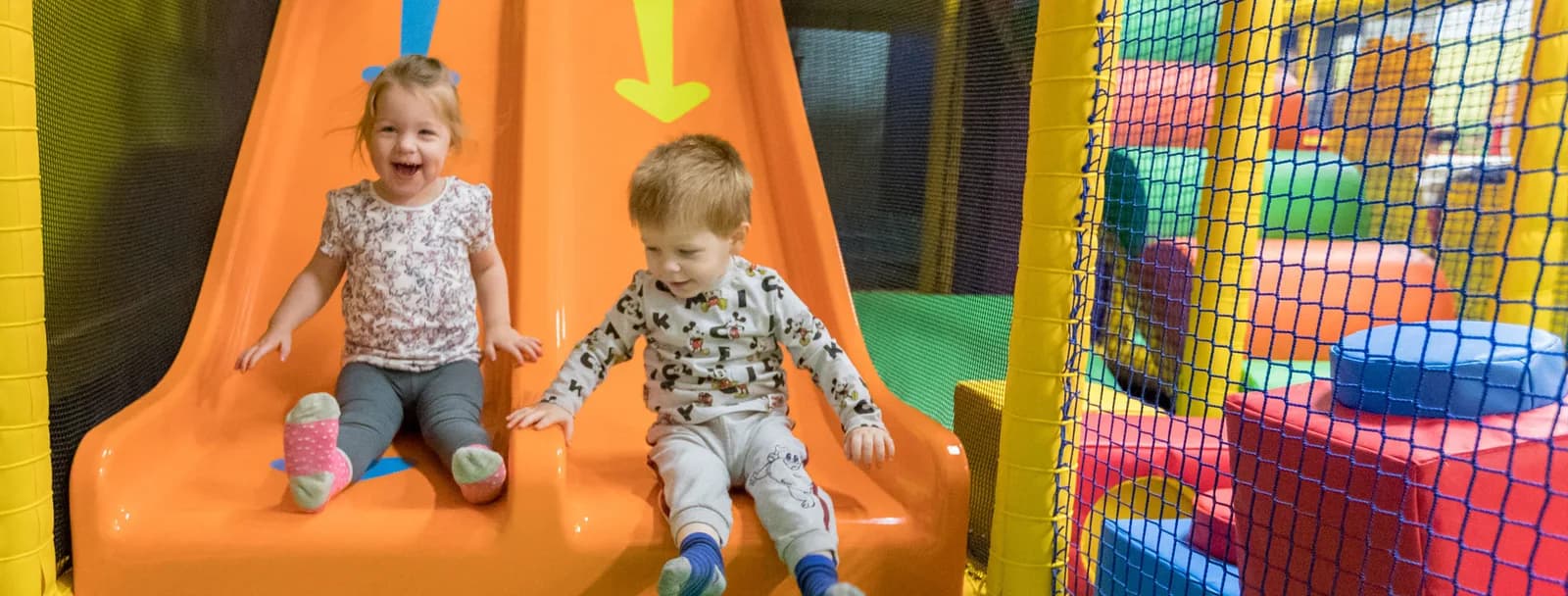
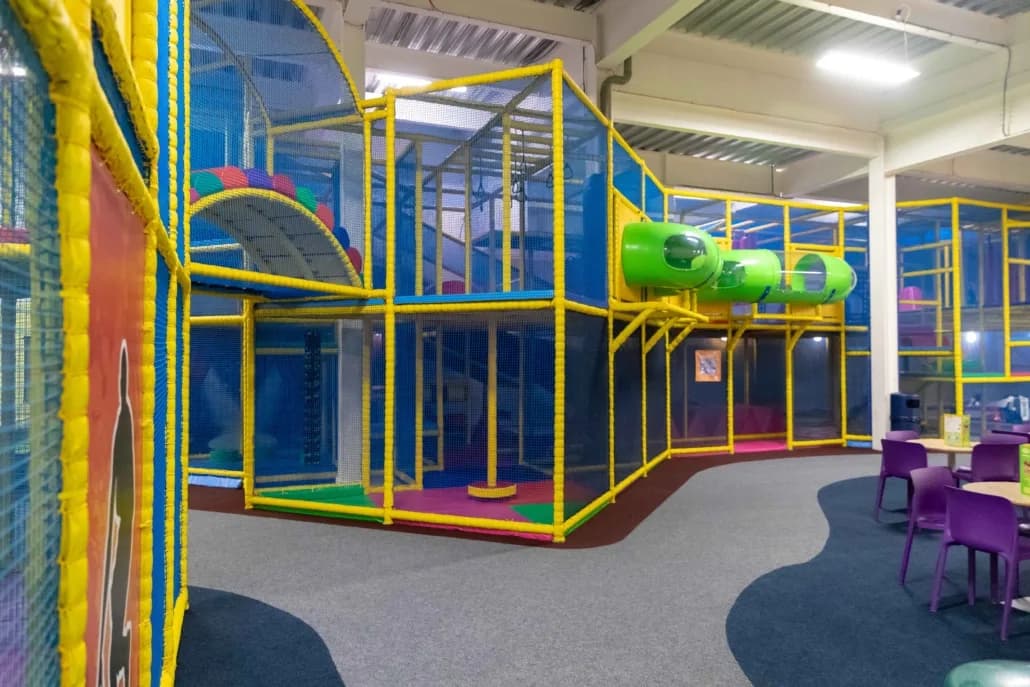
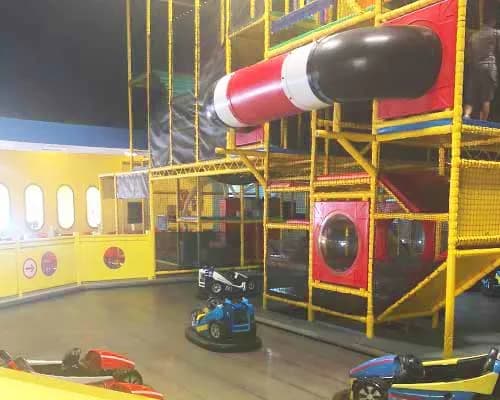
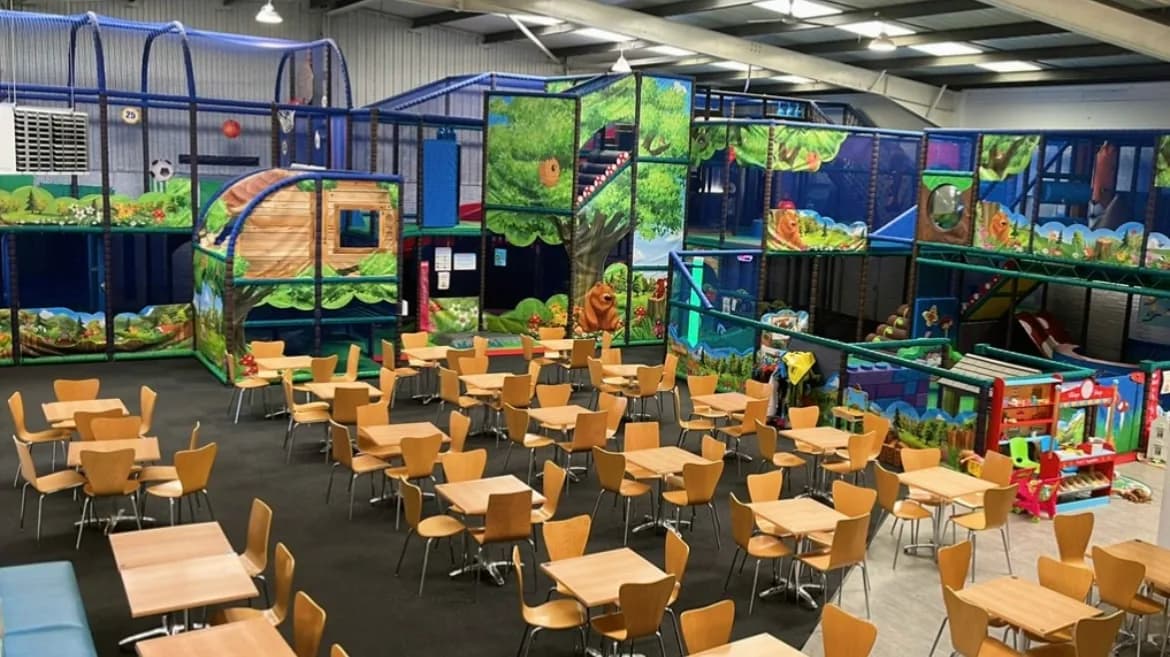
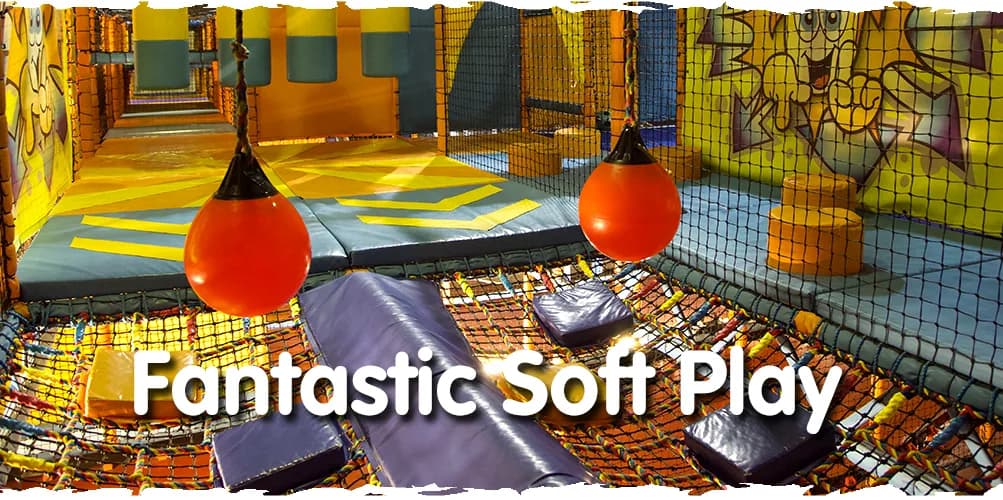
Soft play is the honest problem. The big indoor centres — 360 Play Leicester, Luton, Redditch, Stevenage and Rushden Lakes among them — genuinely do stretch upward, with larger frames and arcade-style extras, and they are a reasonable rainy-Tuesday answer. But an eleven-year-old at the upper end of this band will often work out within twenty minutes that the place is really for seven-year-olds, and then you have paid for a full session and are watching the clock.
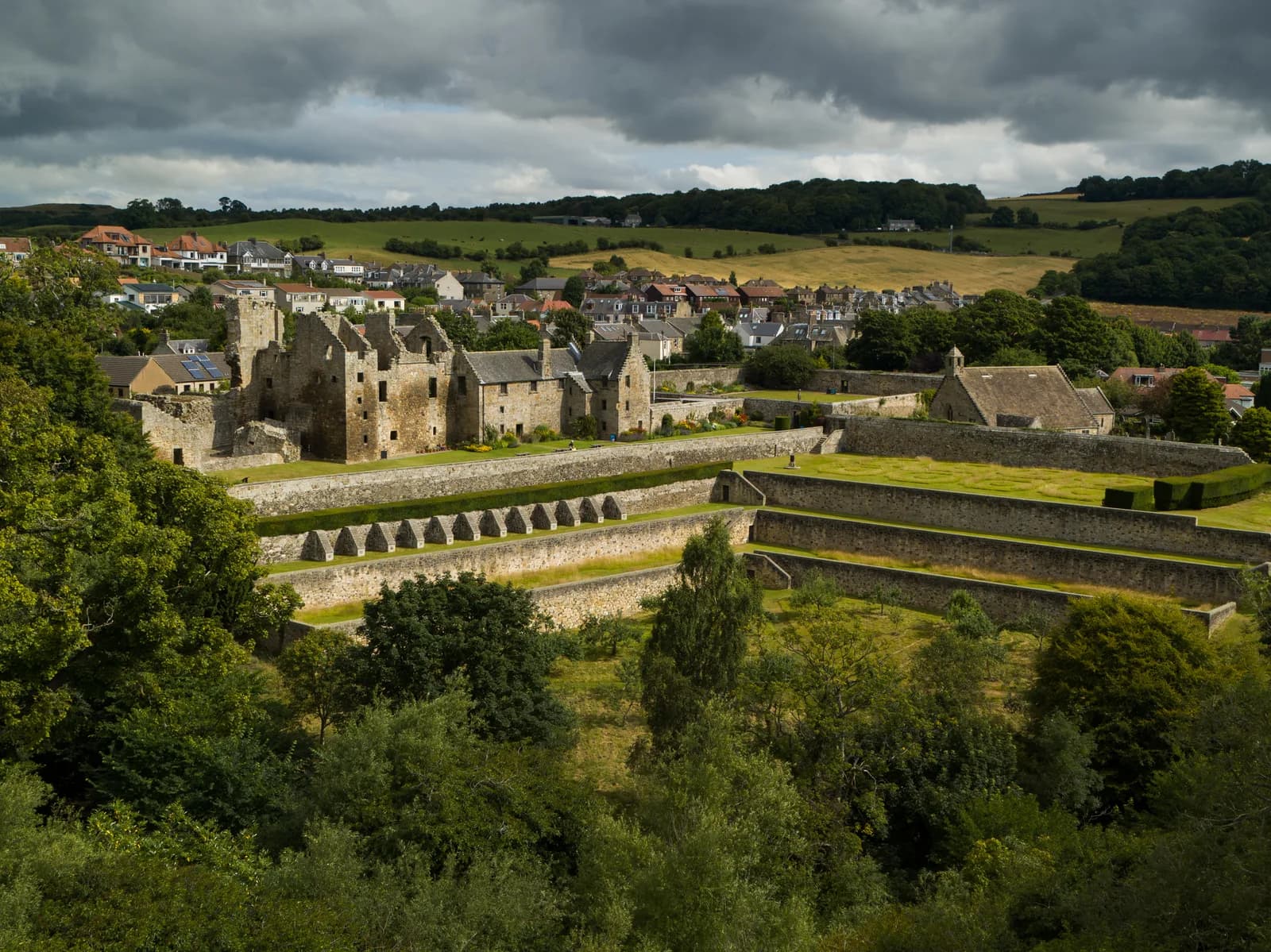
The other mismatch is heritage without a hook. A site like Battle Abbey and the 1066 battlefield lands beautifully with a child who already knows the story or has a trail to follow, and falls completely flat with one who does not. If your child is not in a mood to be told things, pick a day out where the doing is the point — water, climbing, animals — and save the fields and the interpretation boards for a term they are studying it.
And if the drive is longer than the visit, do something local instead. Two hours is two hours.