
In & out££
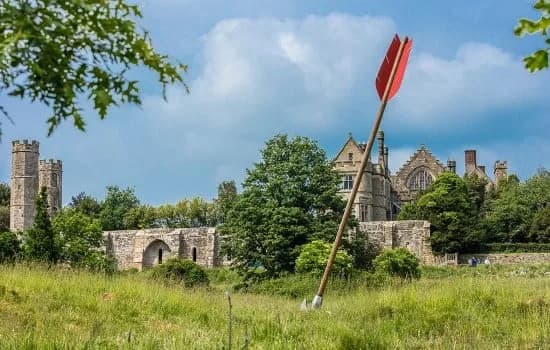
1066 Battle of Hastings, Abbey and Battlefield (Battle Abbey)
Hastings, East & West Sussex
No reviews yet
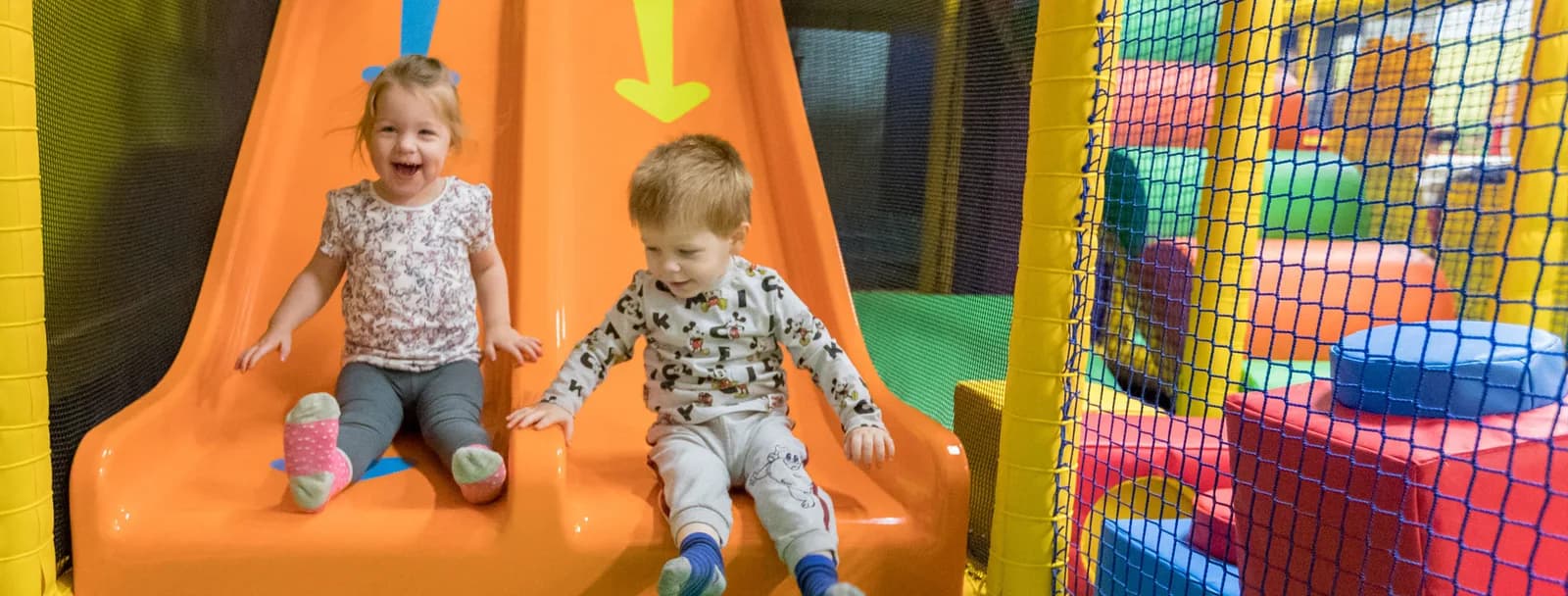
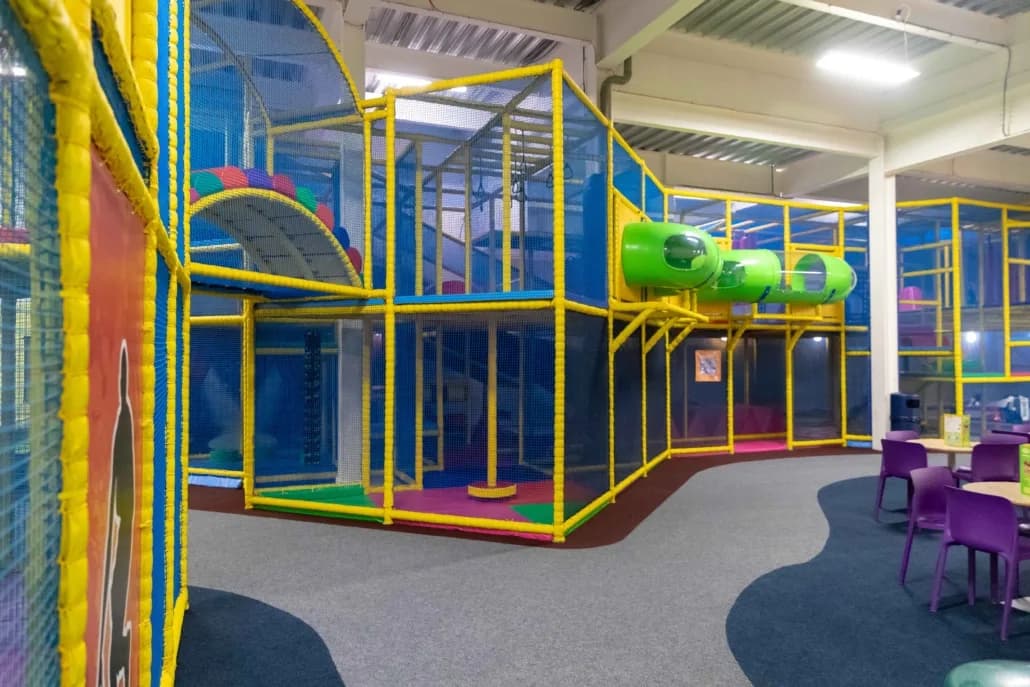
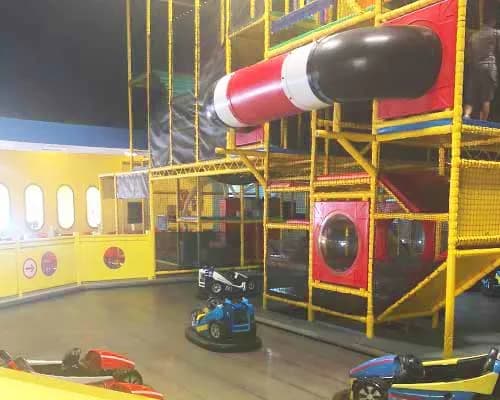
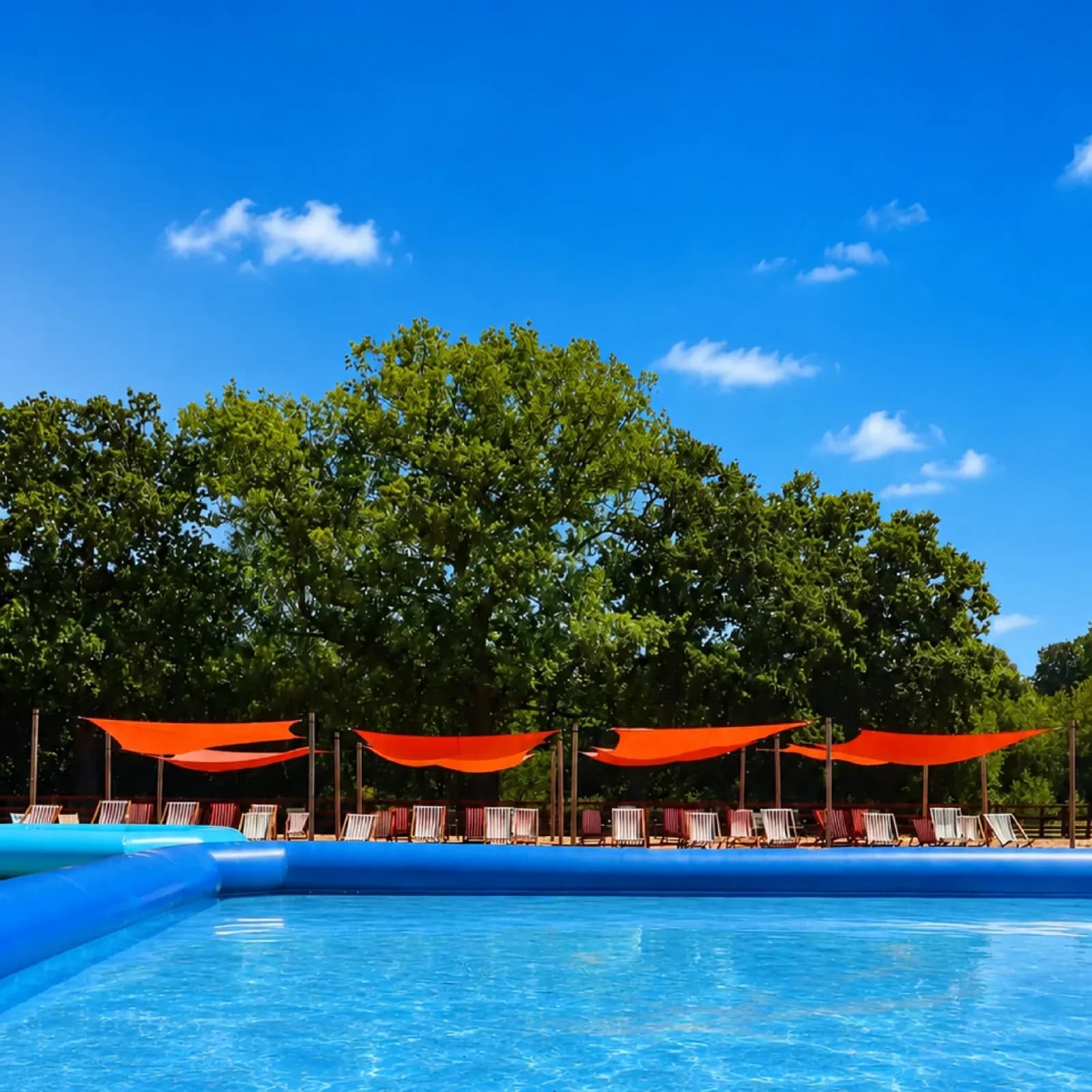
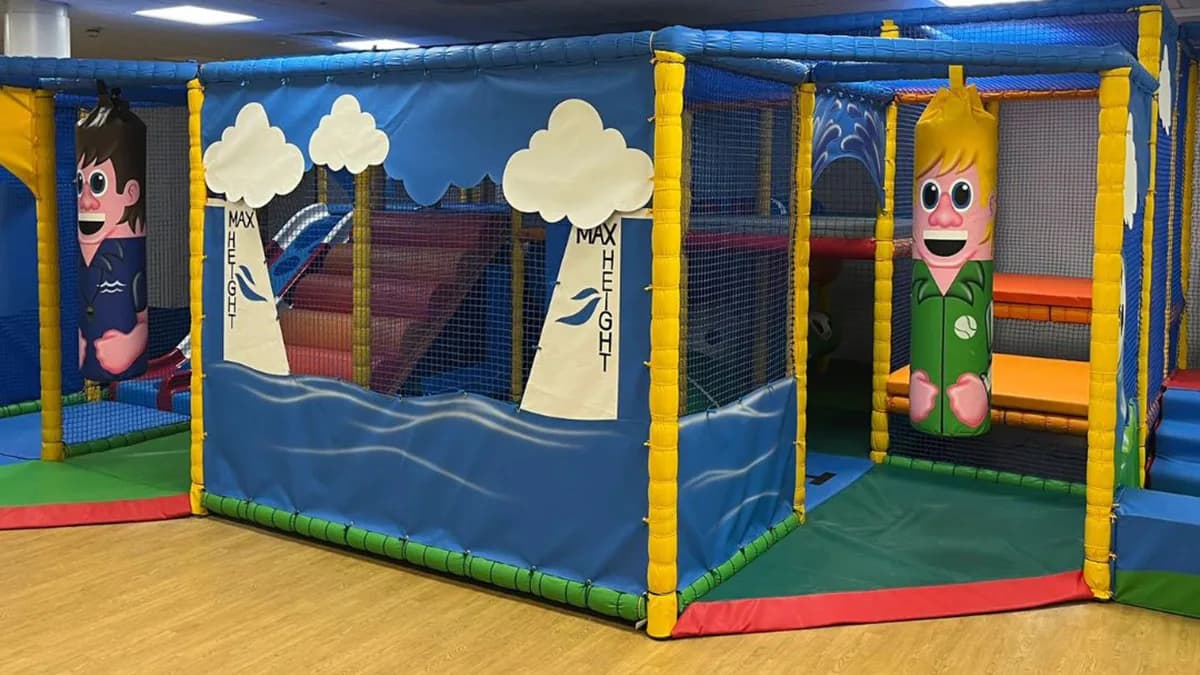
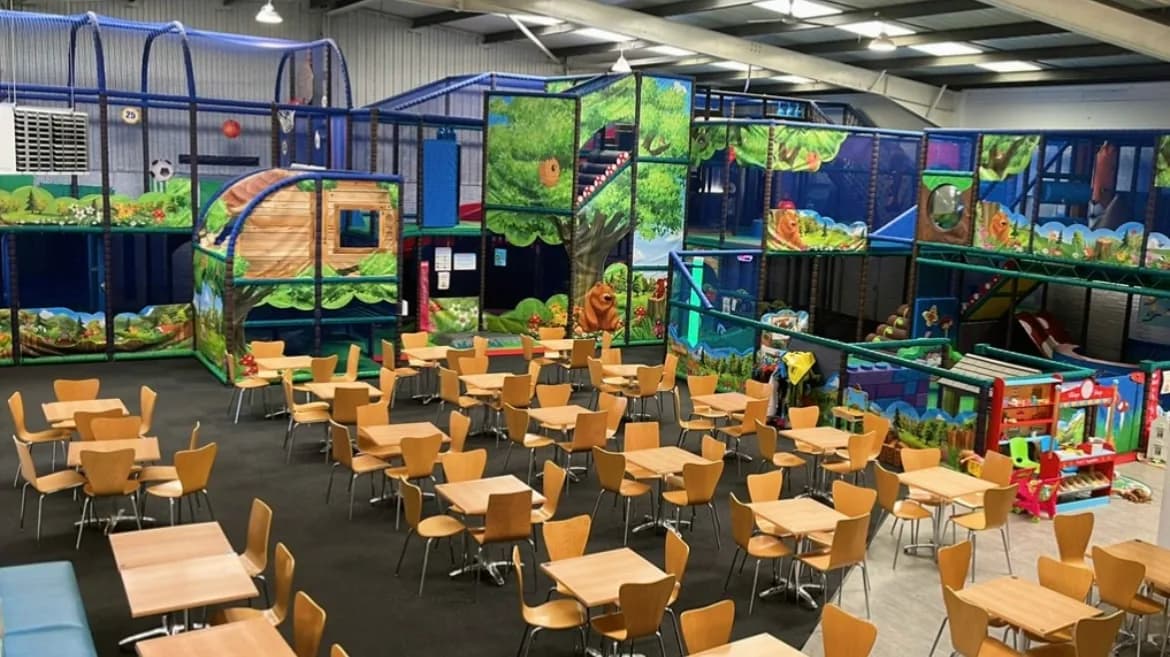
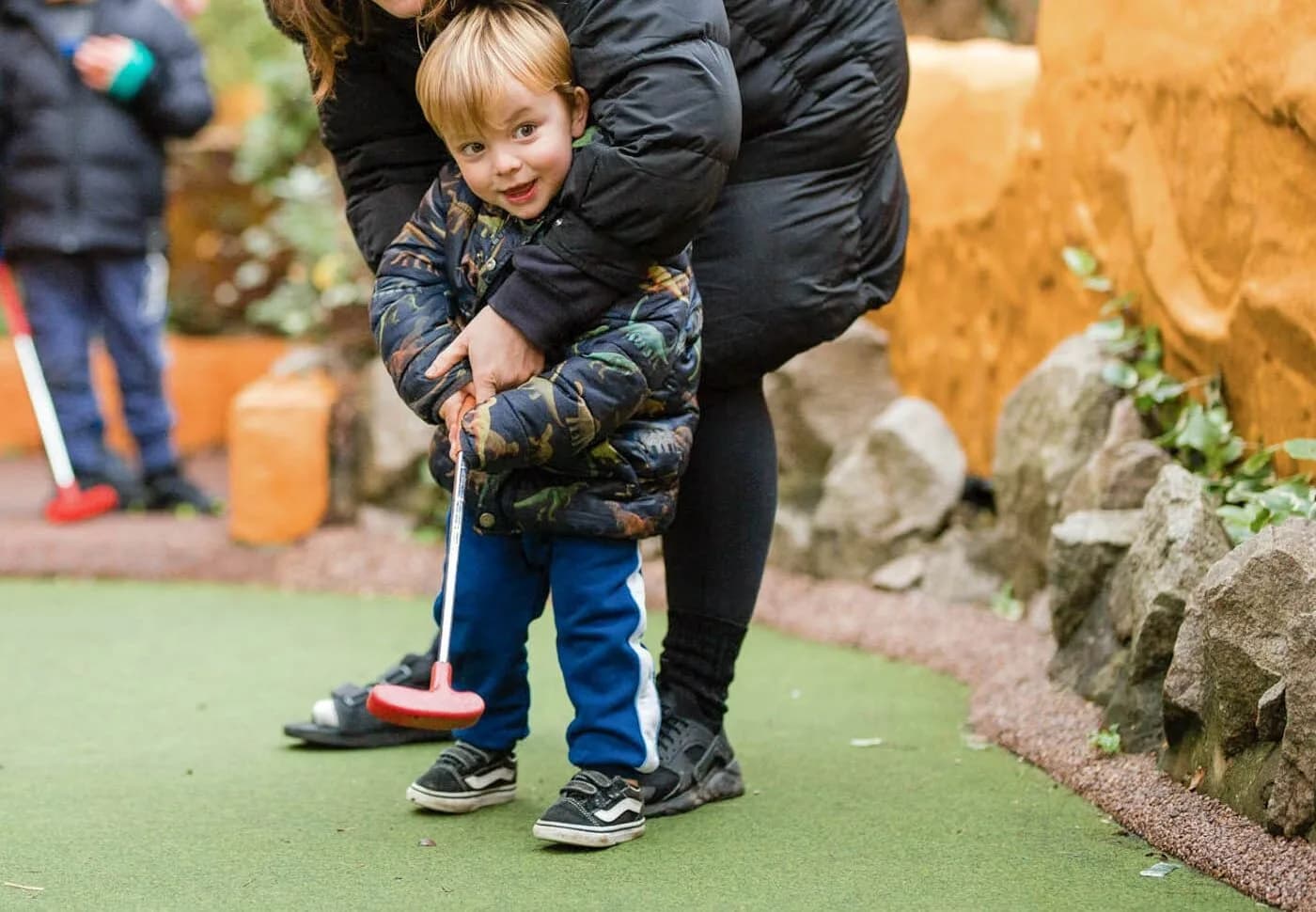
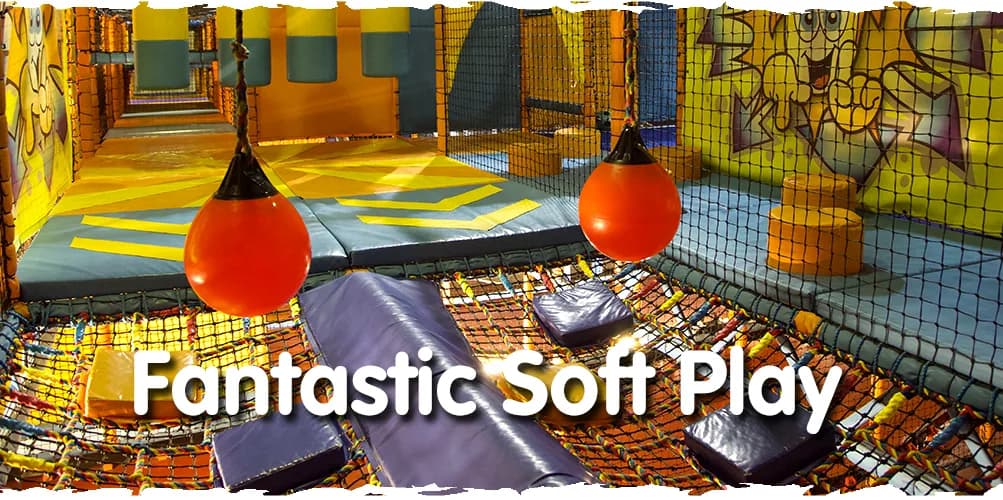
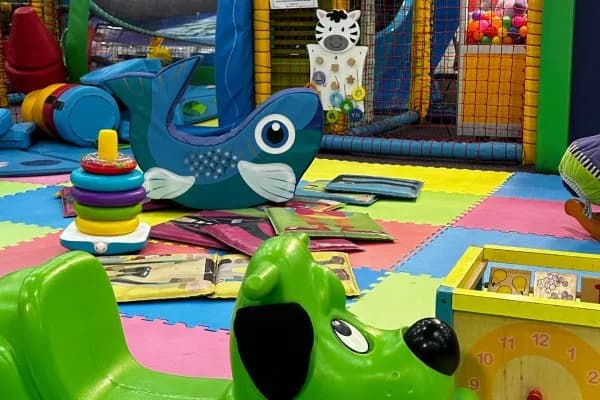
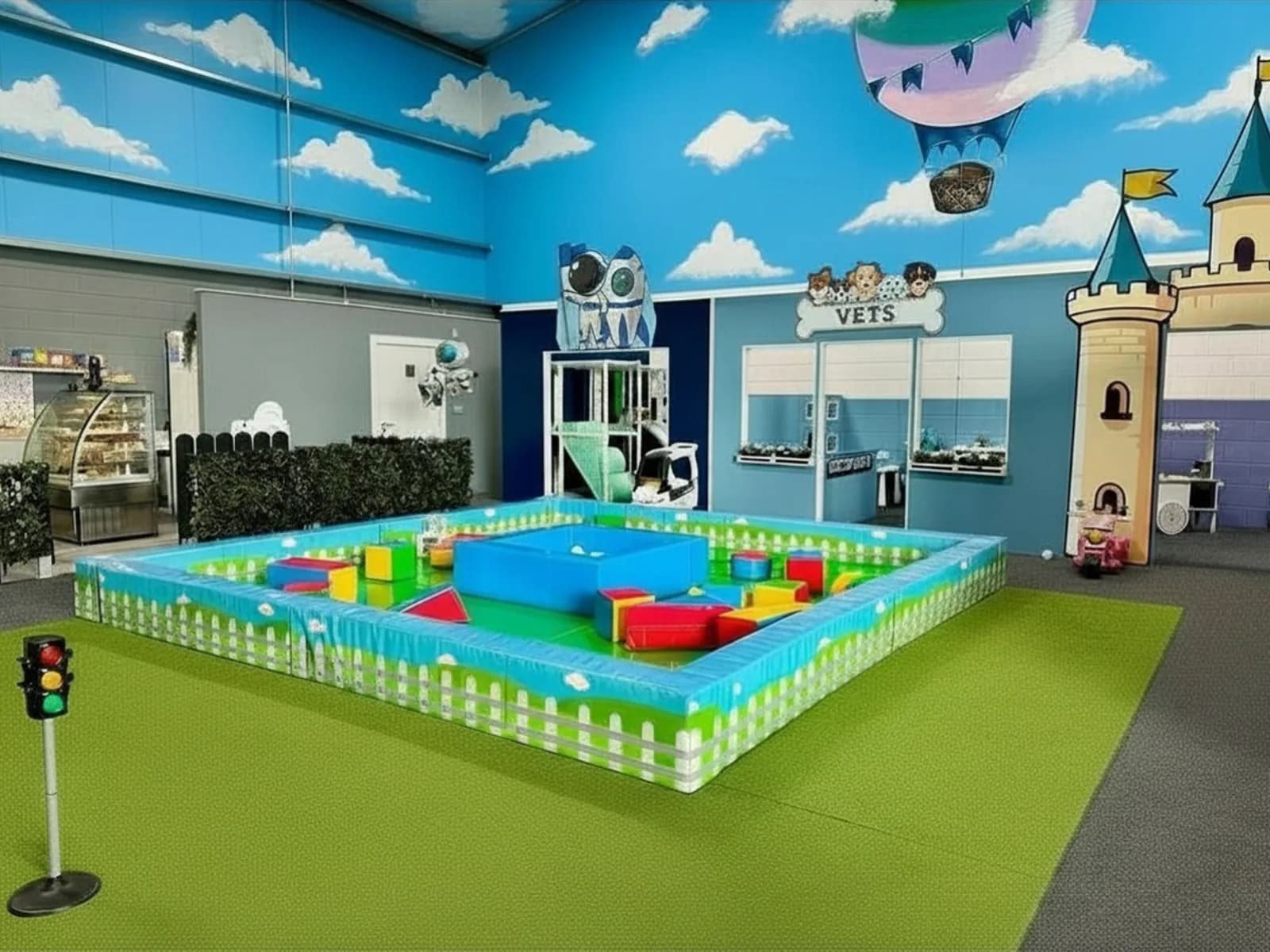
Toddlers need to move, and they need to be contained while they do it. Under-3s soft play sessions, small farm parks and paddling areas earn their money here. Plan for about ninety minutes: past that you're carrying a very tired person back to the car. Baby changing and buggy access still matter as much as the activity does.
1,758 places — showing the first 60
Hastings, East & West Sussex




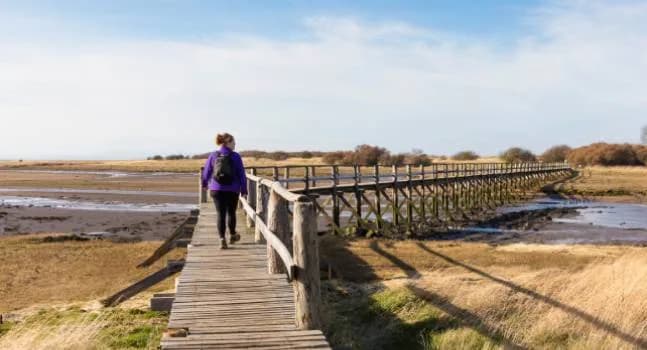
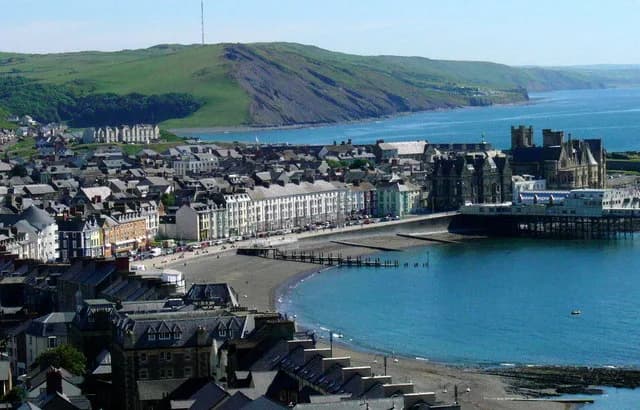
Machynlleth, Mid Wales
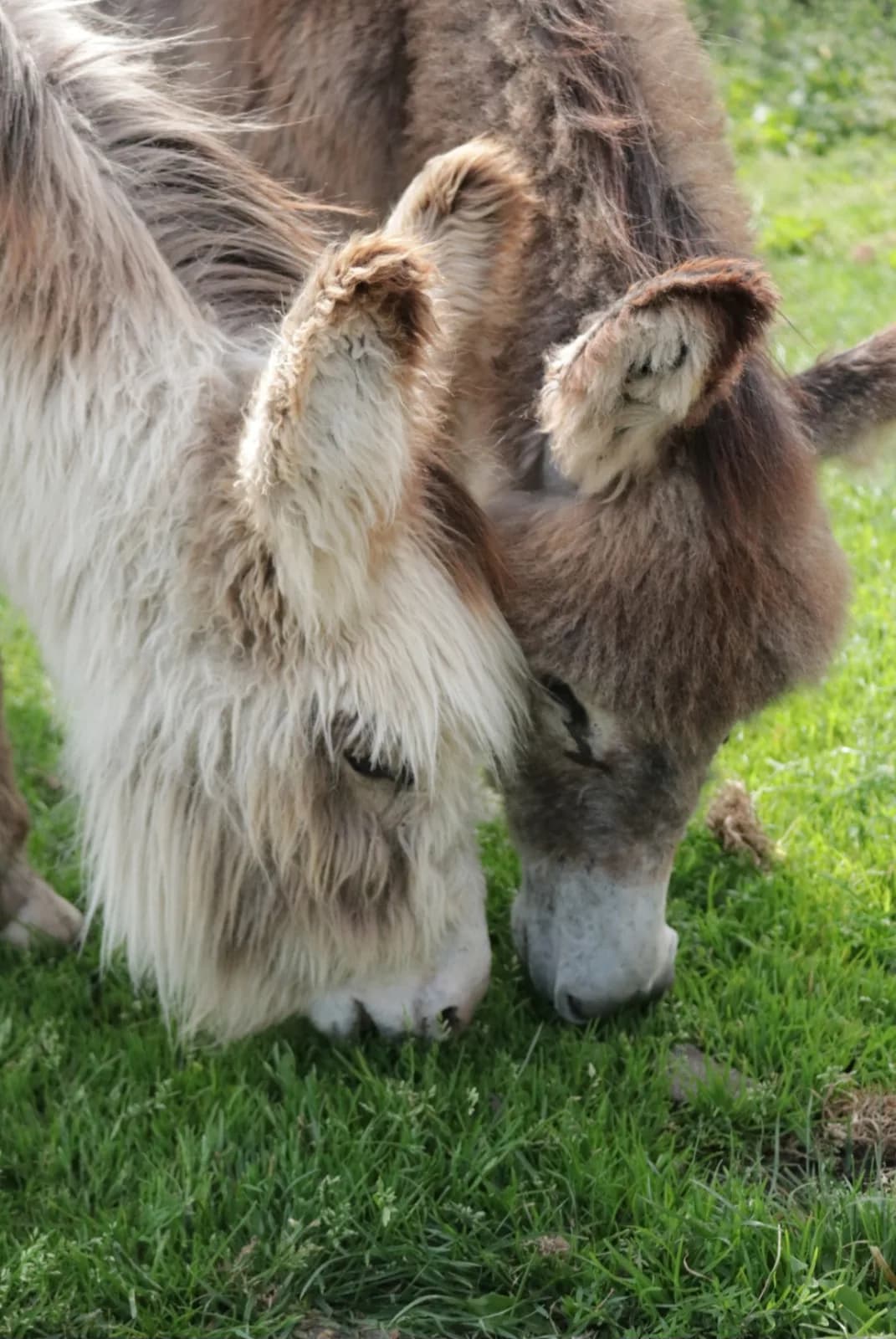
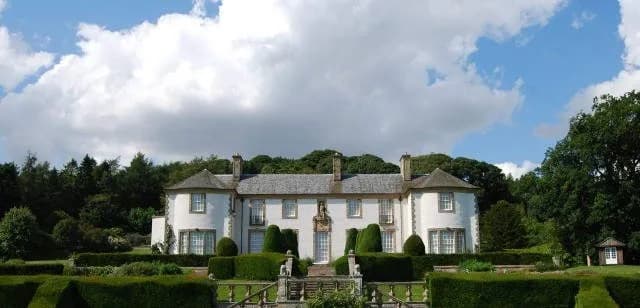






Aberdeen, Aberdeen & Aberdeenshire







A practical guide for parents of one- to three-year-olds, drawn from the 1,755 places in this guide that suit toddlers — what they tend to offer, how long they take, and when to skip them.
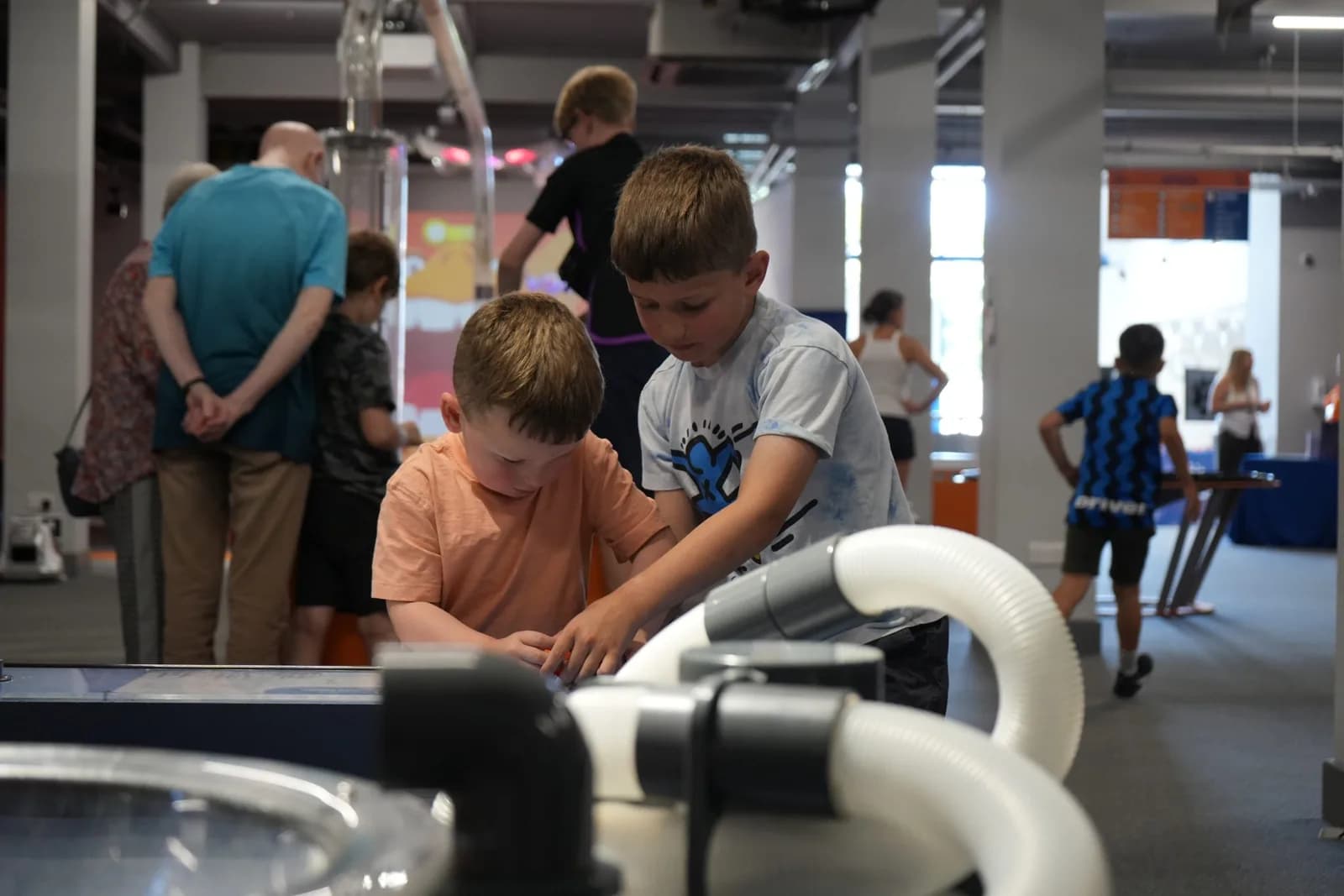
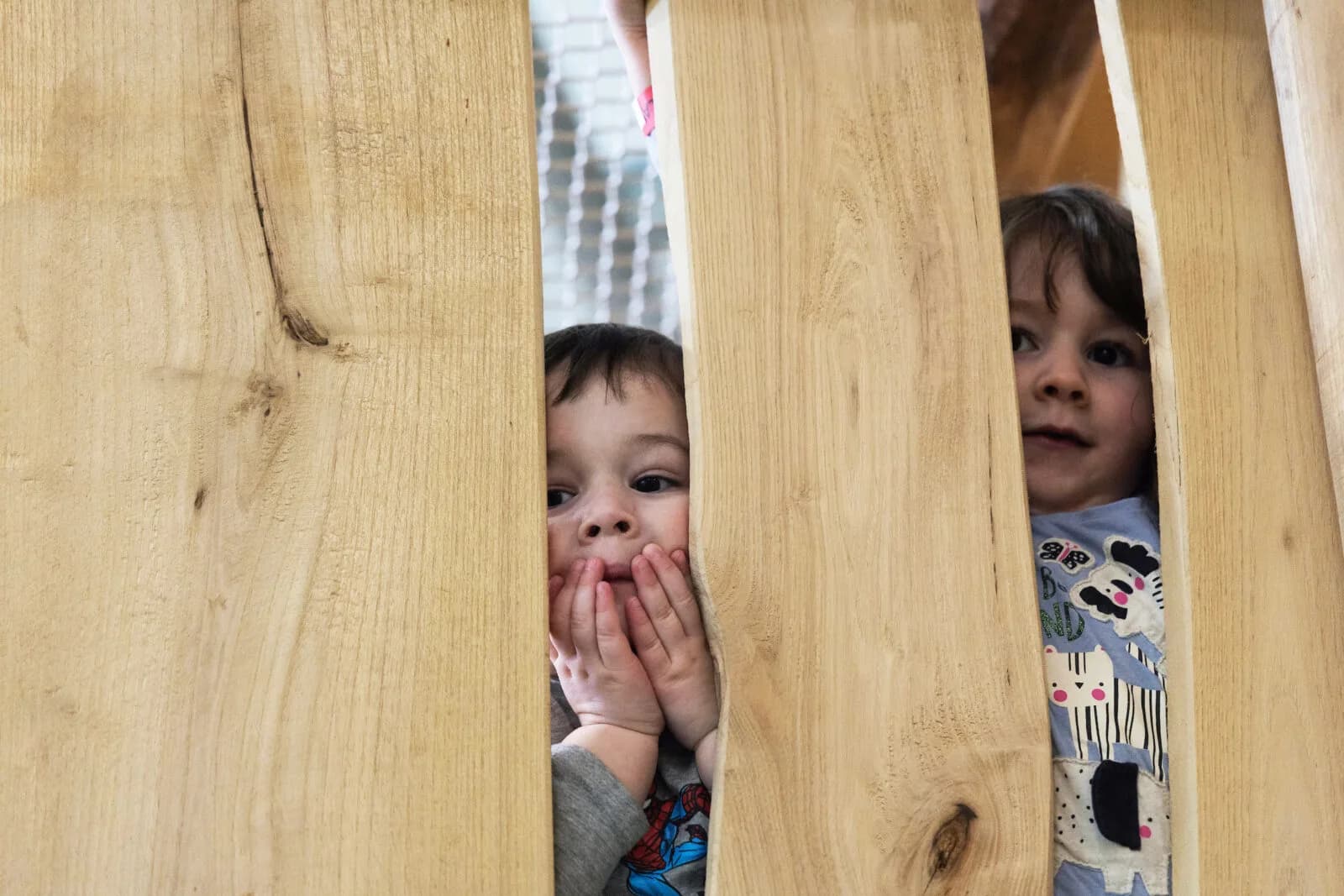
Between one and three, the day out is not about the attraction. It is about a room or a field where your child can move, touch things, and be loudly themselves without you apologising. A two-year-old at a museum is not reading labels; they are pressing the button, watching the water wheel, and then wanting to press the button again. A ten-year-old wants the exhibit to go somewhere. A toddler wants it to repeat.
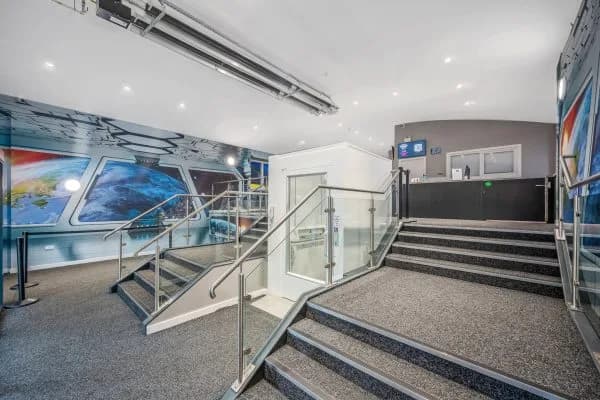
This changes what you should be judging a place on. Not how much there is to see, but whether there is a soft floor, a fence, a loop they can toddle round, and somewhere you can sit down while they do it. Buggy access matters more than the gift shop. A working nappy change table matters more than the café's coffee, though the café matters too.
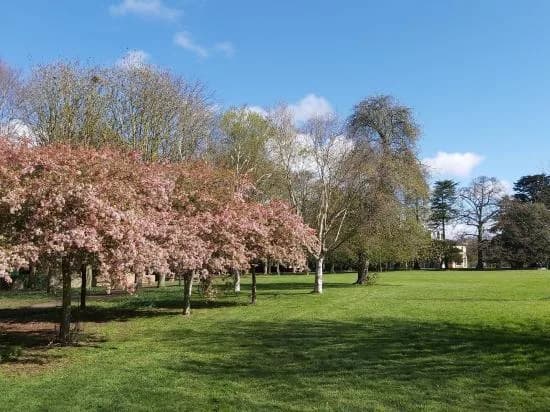
Of the 1,755 toddler-suitable places listed here, 46% are indoor, 30% outdoor and 24% offer both — which is worth knowing in advance, because a wet Saturday with a two-year-old in an outdoor country park is a different experience entirely from a dry one.
The median recorded visit length is two hours, based on the 534 venues where a typical length is noted. That is about right for the age: two hours is roughly one nap-window's worth of goodwill, and most toddler days out end not because you have run out of attraction but because somebody has run out of patience.
On cost, half the slice (50%) sits in the moderate band, and 23% are free — nature reserves, country parks and beaches do a lot of the work there. A further 15% are cheap, and 7% premium. Free is not the same as easy, though: a free playground with no toilet is a shorter day than a paid one with a changing table.
Facilities, as confirmed by someone actually checking:
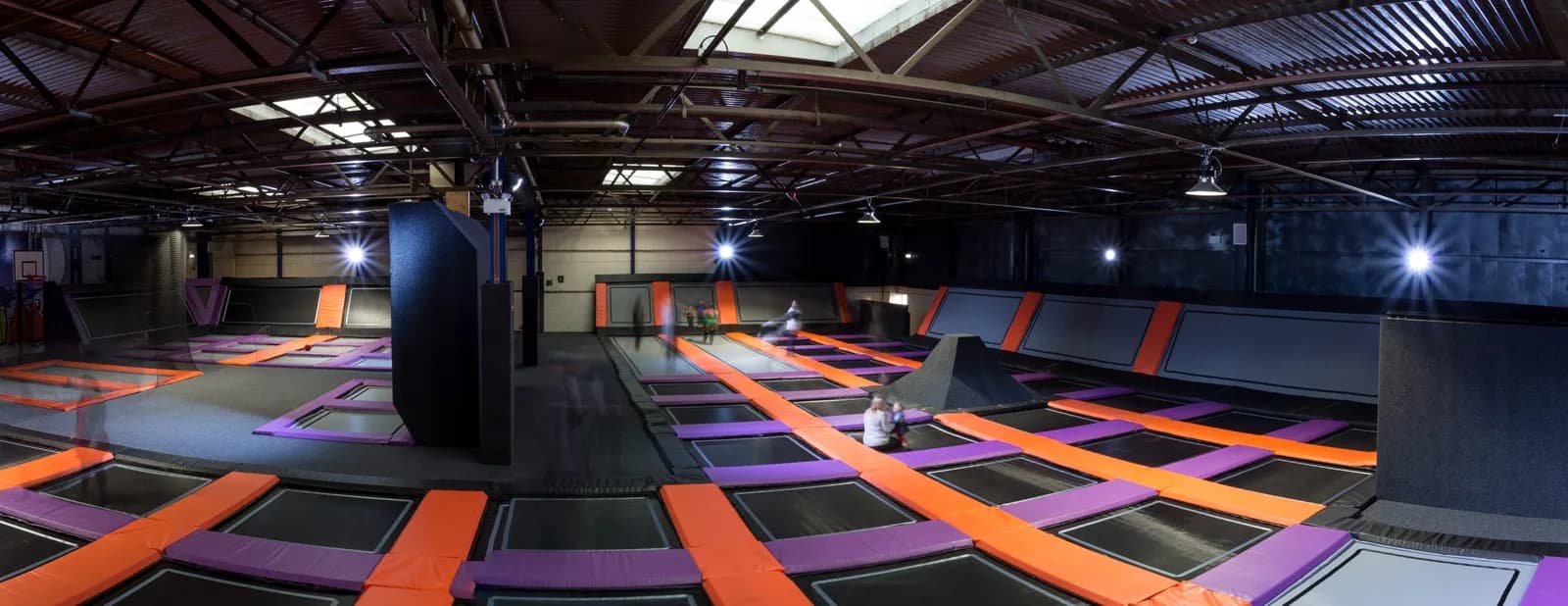
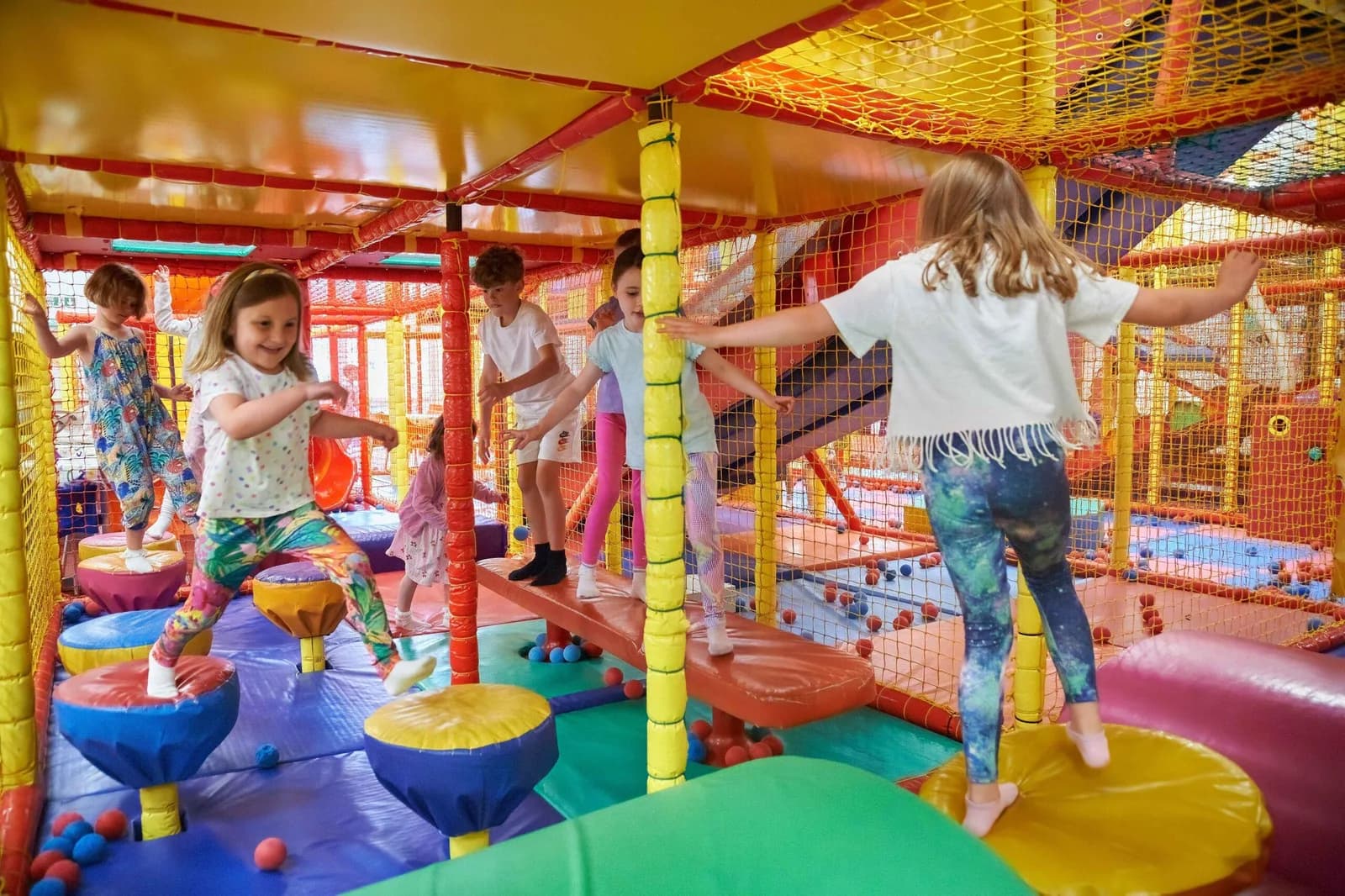
Where these places are, by category: museums and science centres are the largest group at 20%, then soft play and indoor play at 14%, nature reserves and country parks at 12%, and animal farms, zoos and wildlife parks at 11%. Outdoor playgrounds, cinemas and theatre, and swimming each take a smaller share.
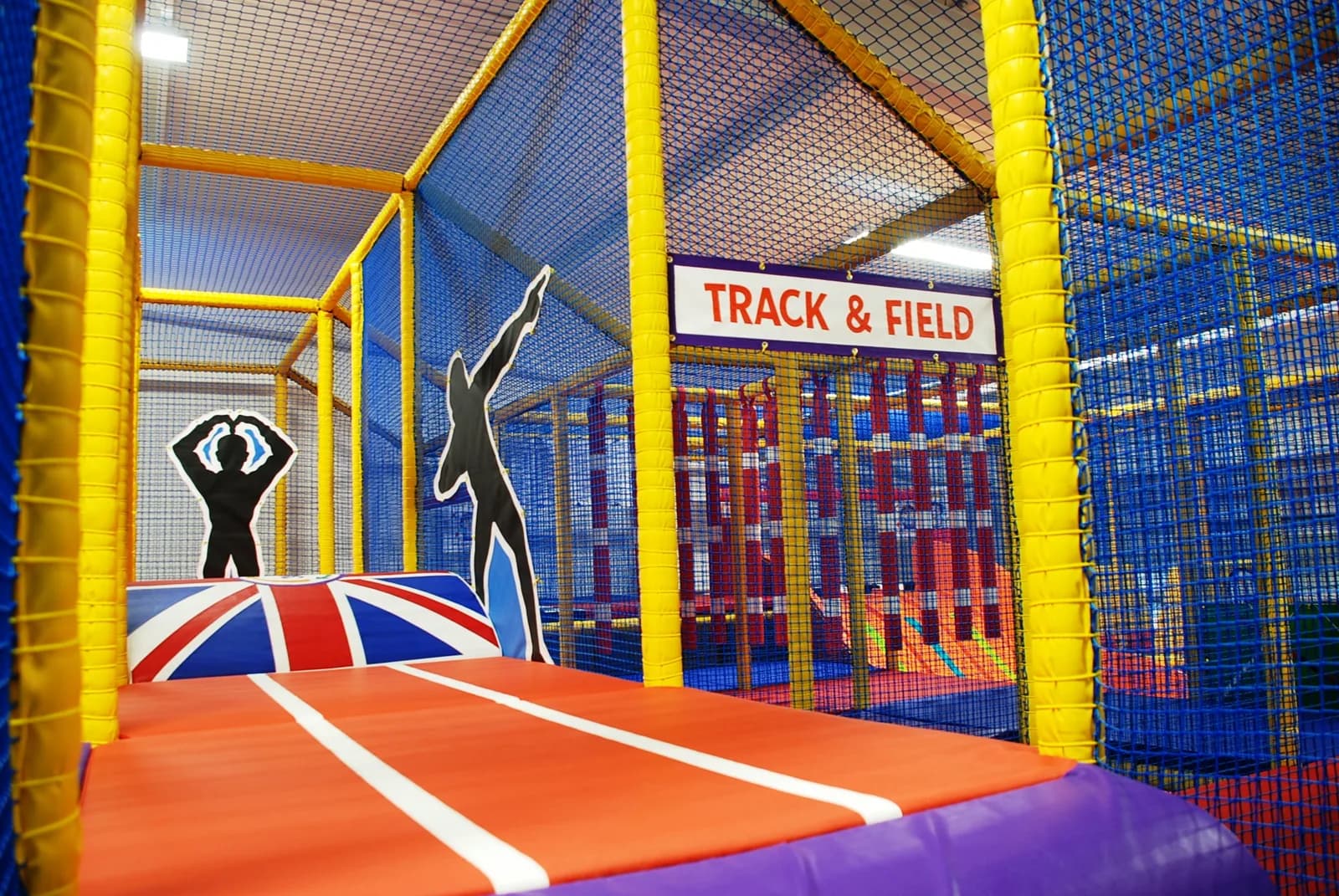
One useful thing the catalogue shows: 97% of these toddler venues also suit eight- to twelve-year-olds, and 98% suit preschoolers. If you have a second child, or a niece tagging along, most of what works for the toddler will not bore the older one rigid. The multi-level indoor play centres are built for exactly this — 360 Play Leicester, Luton, Redditch, Rushden Lakes and Stevenage all appear in the toddler slice while also carrying older-child provision, usually with a separated under-fours area. And 89% suit babies too, if you are still carrying one.
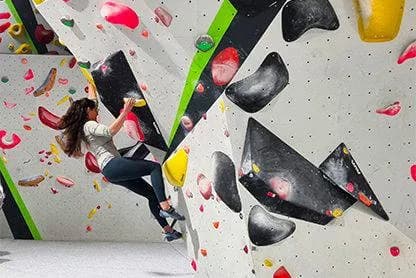
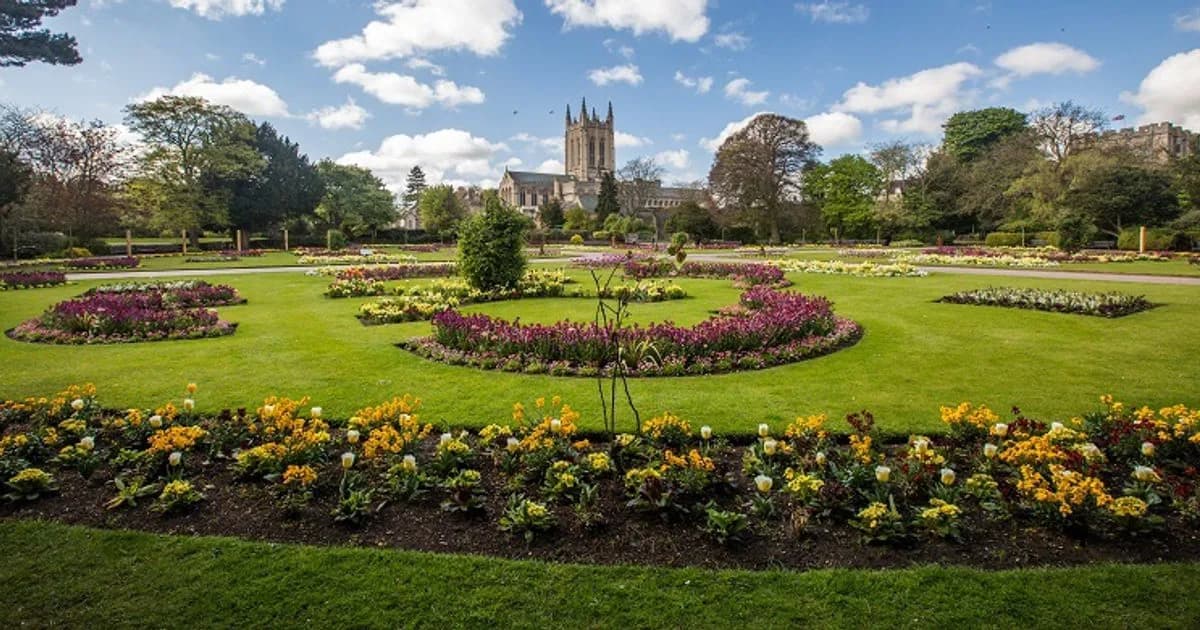
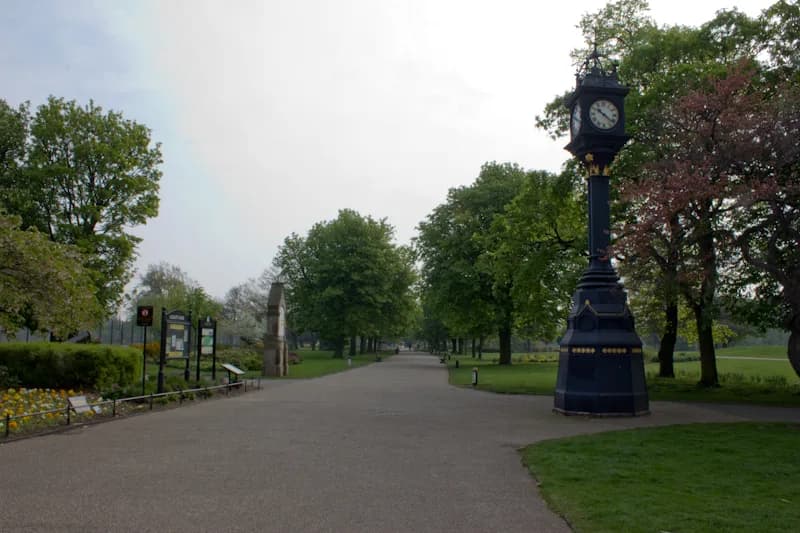
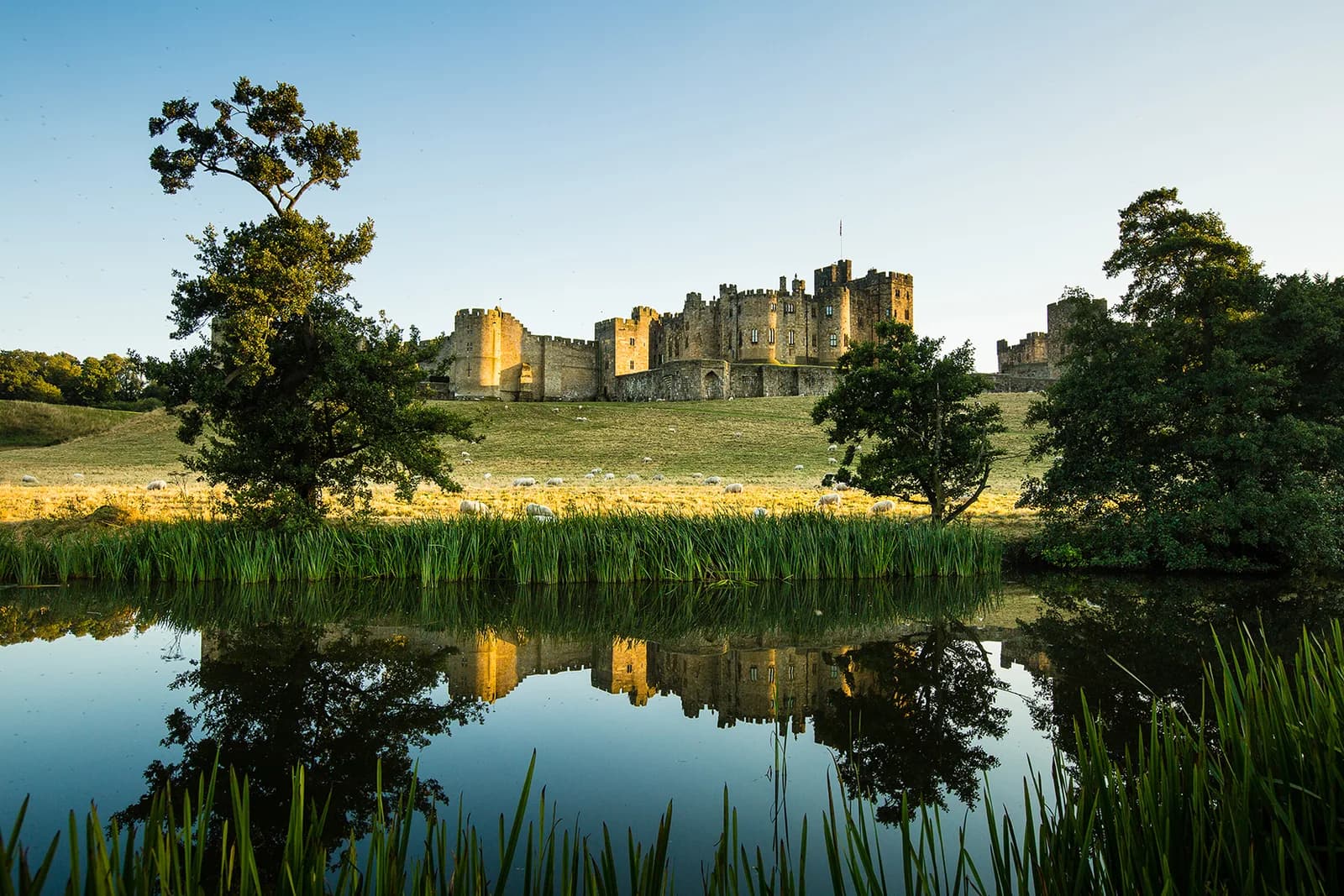
Some places take toddlers without being for toddlers. A big historic site like 1066 Battle of Hastings, Abbey and Battlefield is a genuinely good outdoor walk with a pushchair, but the interpretation is aimed well over their heads and the ground is uneven in places. Climbing and activity venues such as 270 Climbing Park, and structured classes of the 2 Step Dance Academy sort, list toddler suitability because they run specific sessions — not because a two-year-old can join in with everything.
Skip the day out entirely if the nap has gone wrong, if the drive is longer than the median two-hour visit, or if the only appeal is something your child is a year off understanding. That year passes quickly, and the place will still be there.