
In & out££
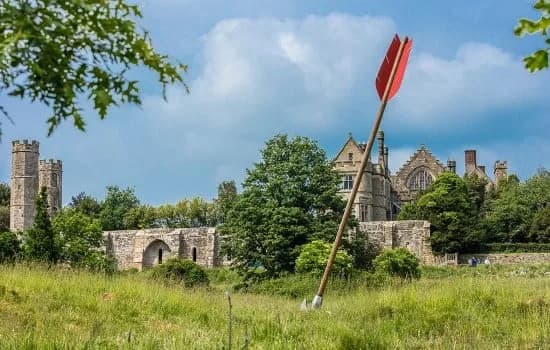
1066 Battle of Hastings, Abbey and Battlefield (Battle Abbey)
Hastings, East & West Sussex
No reviews yet
Meet farm animals, exotic wildlife and everything in between, with feeding, petting and play.
Tap a pin to open a place, hit expand for the full-screen map, or jump straight to what’s closest to you.
We sort by distance and don’t store your location. Or enter a postcode →
Loading the map…
2,914 places — showing the first 60
2,911 of 2,914 of these have a map location so far.
Hastings, East & West Sussex










Machynlleth, Mid Wales
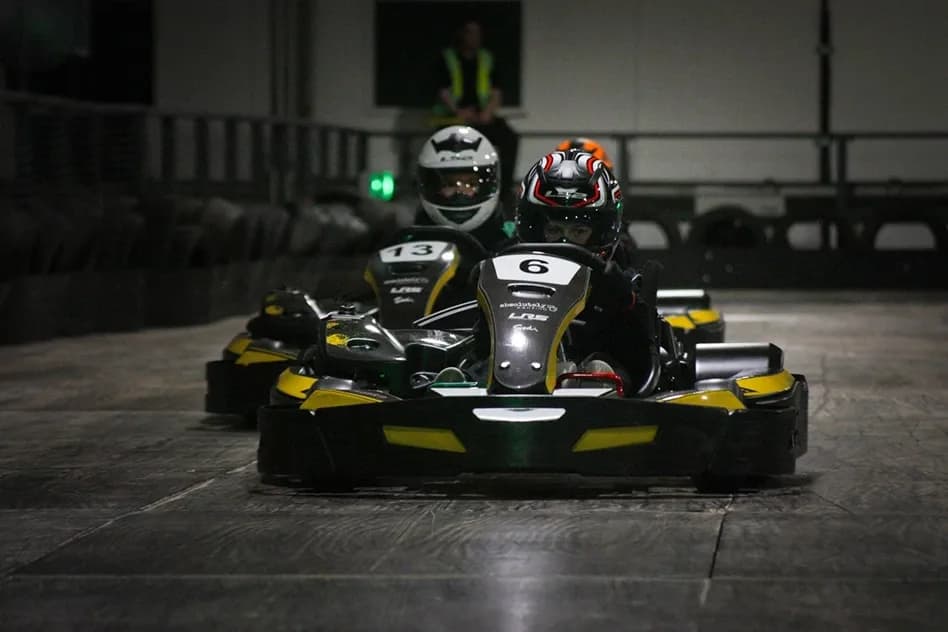
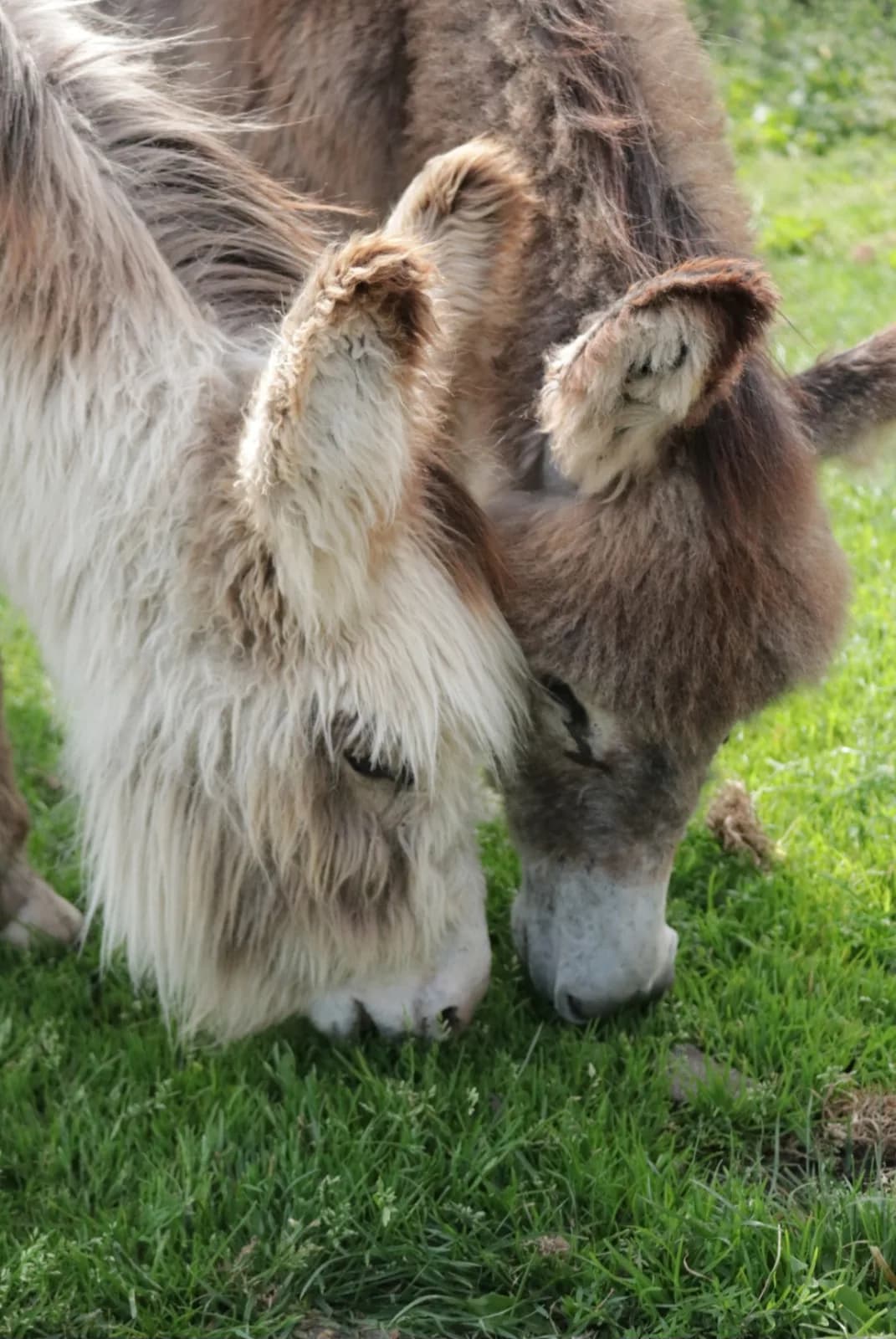
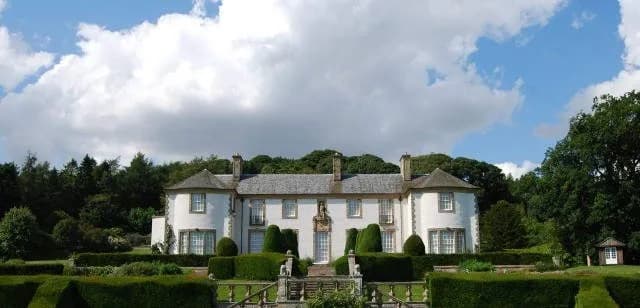

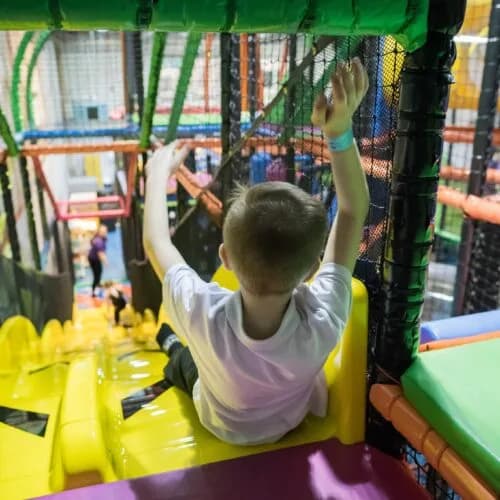




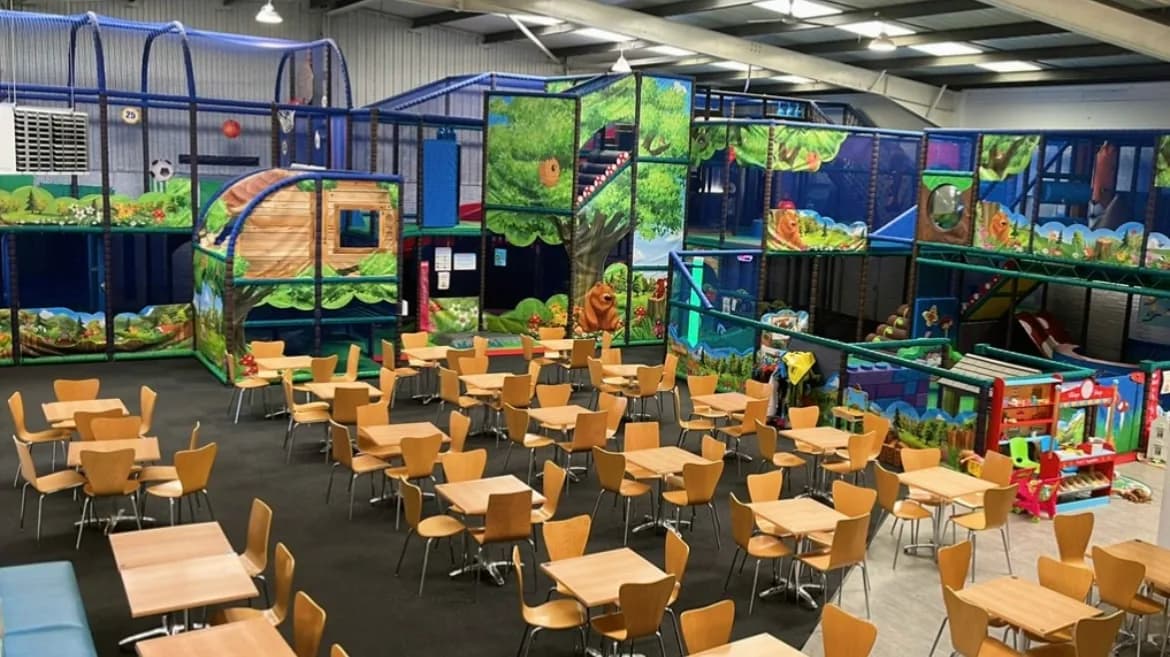
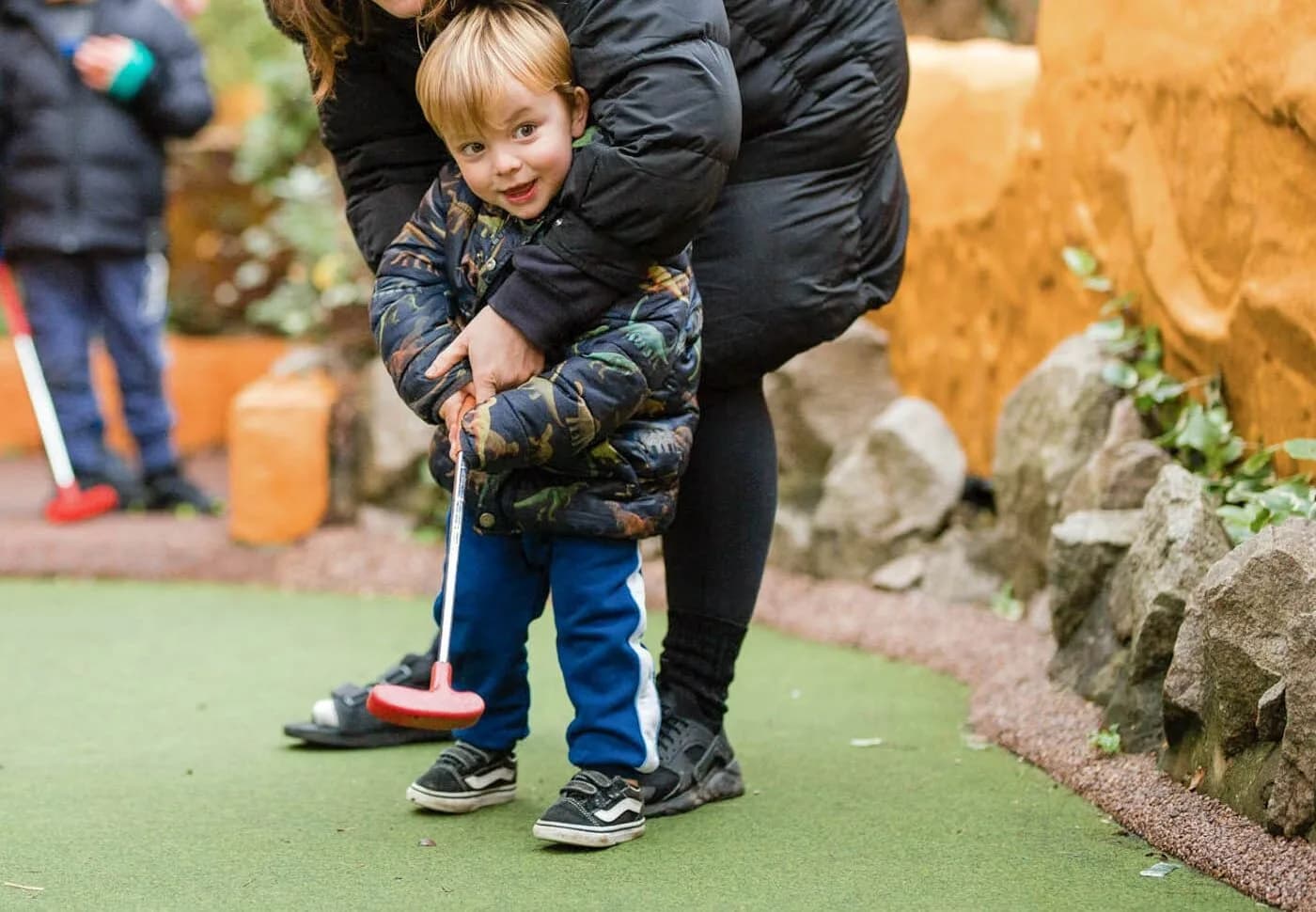


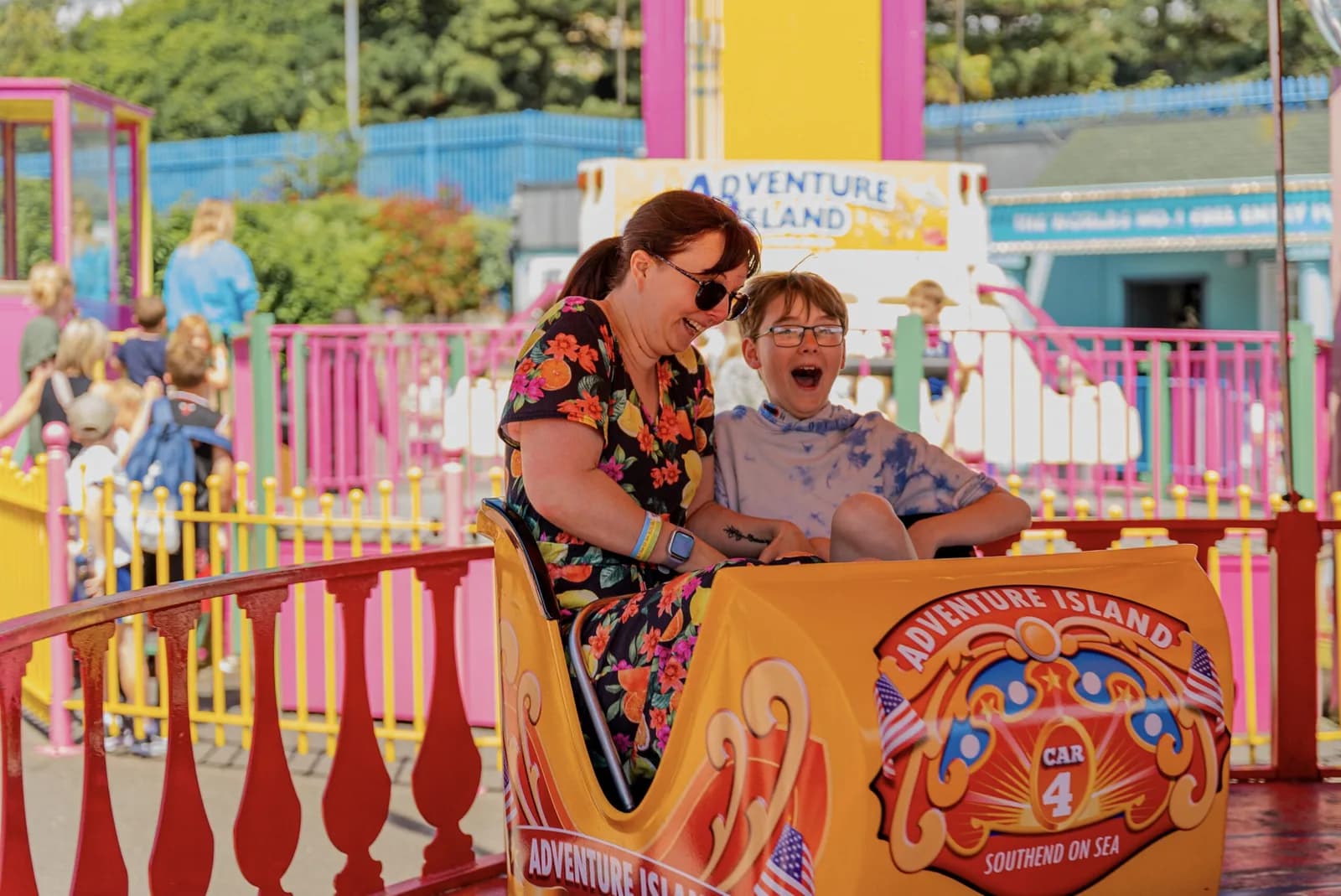





198 towns across 65 counties.
A practical guide to the 229 animal farms, zoos and wildlife parks in this guide — what they suit at each age, how long a visit runs, and when a different sort of day out would serve you better.
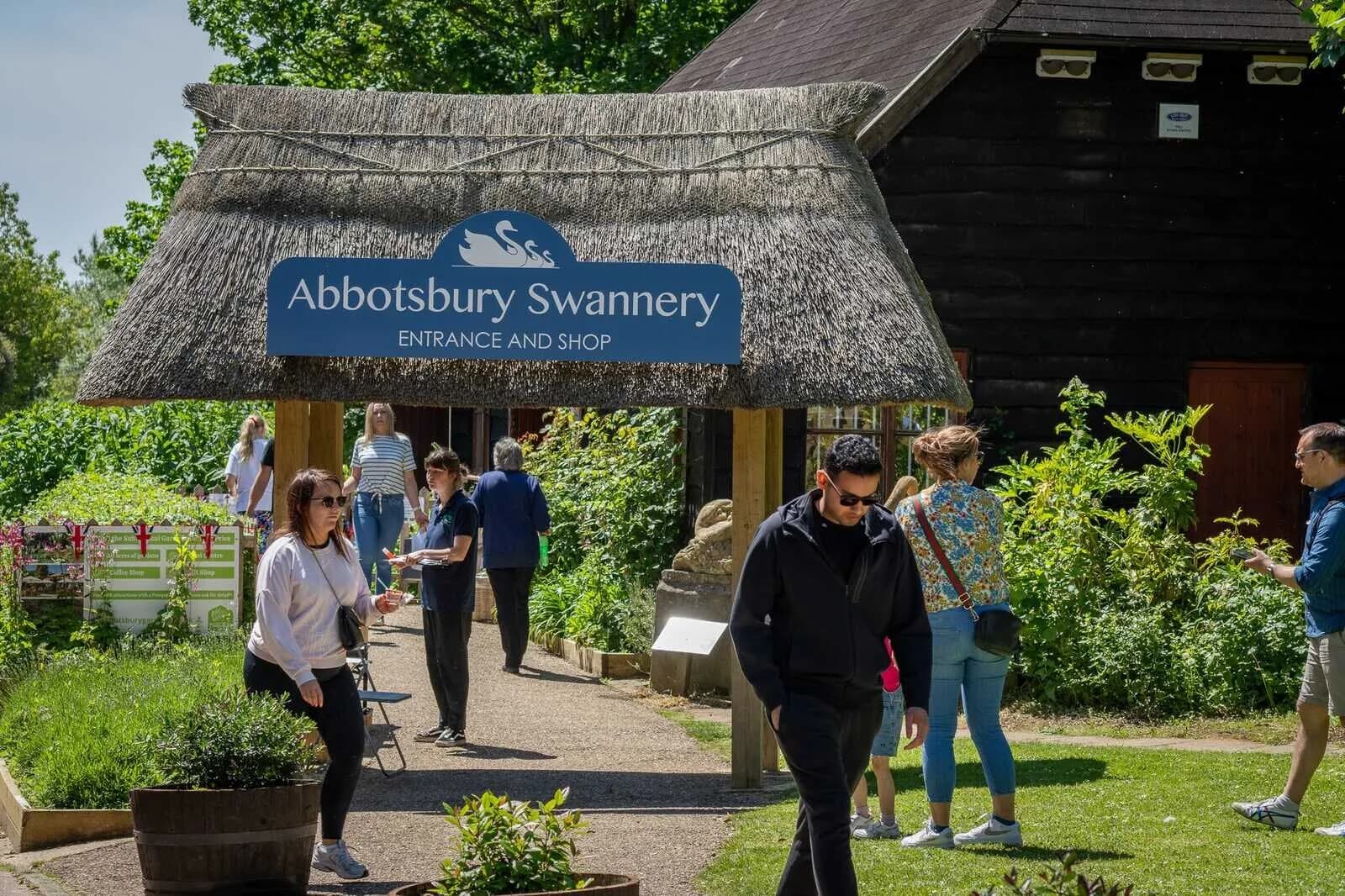
The 229 places in this slice cover a wide spread: small city farms like Acorn Farm in Liverpool, working heritage sites such as Almond Valley Heritage Centre near Edinburgh, single-species specialists like Abbotsbury Swannery in Dorset or Alpaca at Daisy Farm near Solihull, and full zoological collections along the lines of Africa Alive! in Suffolk. What links them is a day built around looking at animals, and around walking between them.
That structure is why they work across such a broad age range. Toddlers are the sweet spot on paper — 204 of the 229 are marked as suiting ones to threes, and 193 as suiting babies under one — but what a two-year-old actually takes from a visit is one goat, one handful of feed and a long look at a duck. They will not do the loop. Preschoolers (200 of 229) start to want to touch things and will remember the guinea pigs. Five-to-eights, 193 of 229, are the group who read the signs and ask the keeper questions. Eight-to-twelves are equally well served at 204 of 229, and this is where the bigger collections pull ahead of the small farms — a child of ten wants a species they have not seen before, not a paddock of sheep. Teens are the thinnest band, though still 175 of 229, and honestly they are best served by the larger wildlife parks or by somewhere with an adventure element, as at Adventure Valley in County Durham.
Where a visit length is recorded — and it is for 61 of the 229, so treat it as indicative — the median is three hours. That is a real three hours: arrive mid-morning, eat there, leave when the youngest goes flat. Half the venues here, 116 of 229, are logged as having both indoor and outdoor space; 91 are outdoor only and 21 indoor only. The outdoor-only ones are the gamble in February and the obvious answer in July.
On price, 174 of the 229 sit in the guide's moderate band, with 27 in the premium band, 13 in the cheap band and 9 free. In practice that means most of these are a paid ticket rather than an afternoon out on nothing, and the premium end is dominated by the larger collections.
Facilities, counted as confirmed by somebody who checked — the remainder were simply never verified, not found wanting:
If the forecast is bad and you have a toddler, be careful: 91 of these are outdoor only, and an animal park in the rain with a two-year-old is a short, expensive walk. If a member of your group uses a wheelchair or you are pushing a buggy over a large site, the step-free figure of 91 confirmed out of 229 means the ground is worth confirming venue by venue rather than assuming.
And if you have a teenager who is not particularly interested in animals, this is not the category to force. Three hours of enclosures is a long time when you are fifteen and unmoved by alpacas. The larger reserves and the sites with adventure play attached — Adventure Valley, Aldingbourne Country Centre in West Sussex, All Things Wild in Worcestershire — carry that age better than a small farm will.
The reliable use of this category is a mixed-age group. Few other kinds of day out suit a baby and a ten-year-old in the same three hours, and these mostly do.